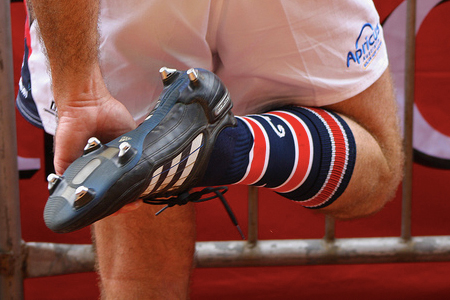
Rugby involves a range of brute strength and physical endurance. In the process, rugby cleats often bare much of the brunt of the this demanding sport. Sweat and skin particular build to create a dank smelly interior.
Fortunately, a range of household ingredients exist that can help to keep this unwanted odor in check. The following list of solutions can be handy for adding freshness within your rugby cleats to ensure that you give the odor a final kick.
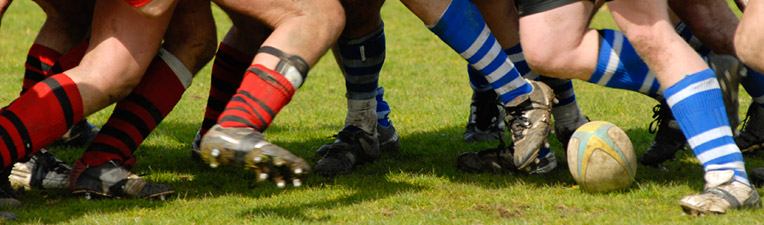
Smell Removal Solutions for Rugby Cleats
1 Air Out
 Oftentimes, all that is needed to properly deodorize shoes is to place them outdoors within the sun. Find a place within the yard where they will receive a minimum of eight hours of direct sunlight and leave them outside for the day. Often the cleats will require two to three days to properly allow to air out. As a solution, this best used when you have a few days between use of the rugby cleats.
2 Hydrogen Peroxide Rag
 Much of the odor within shoes comes directly from bacteria that builds within the cleats. Living off dead skin cells, sweat and the dark moist environment it often finds used cleats to make a good home. Fortunately, hydrogen peroxide works to kill bacteria on the spot. Soak two hand rags within hydrogen peroxide and stuff one inside each of the cleats. After letting the hydrogen peroxide soaked rag sit for 4 to 8 hours, the rag can be remove and the cleats can be placed aside to air dry.
3 Baking Soda + Lemon Wedge
 The combination of baking soda and lemon juice and wedges can do much to cut and absorbe the bacterial odor within the shoes. Measure a scoop of 1/4 cup of baking soda to pour within each shoe. Upon pouring it in, proceed to shuffle the cleat to ensure that the baking soda covers the interior of the sporting footwear. As a final step, cut a lemon into four parts and squeeze the juices into a rag. Rub the interior of the cleat with the rag them place two used quarters of the lemon wedges within each shoe. Allow to sit over night as the citric acid neutralizes the bacterial and the wedges and baking soda absorbs the odor.
4 Enzyme Spray + Newspaper Stuff
 A enzyme based spray combined with wadded newspaper can work fast in removing sweaty foot stench for the cleats interior. Begin by spraying down the interior of the rugby cleats to allow the active enzyme to begin to eat through all of the bacteria that is causing the odor. Once performed, stuff the entire interior with wads of newspaper until it has been completely filled and allow it to sit over night. By the morning, much of the odor will have been absorbed within the newspaper to leave the cleats smelling fresh.
5 Freeze + Sun Dry
 Putting these two elemental states together will work to kill the foot related bacterial odor and freshen the cleats. Start by placing the cleats within a sealed ziplock bag and putting them within the freezer for 24-48 hours. This cold temperature will have the effect of killing the bacteria to give the shoes fresh start. Next, place the rugby cleats within direct sunlight for 8 hours to have the effect of drying out the odorous residues and letting the open space and fresh air carry it away.
Photo Credit: istolethetv
[contact]


 Placing the the heels outside will leverage several natural elements for deodorizing the footwear. The fresh air and open space will help in diffusing the odorous residues and the ultra violet rays will work to neutralize the odorous residues on the spot. When applying this solution, be sure to place the heels in a location within the yard where it will be sure to receive a minimum of 8 hours of direct sunlight. If an odor remains after 8 hours, they can be placed outside in direct sunlight for an additional day or two until it has freshened up.
 As a product meant for a cat’s waste, many are surprised that it can yield effective results when used within the interior of shoes. Keeping a small cup of fresh cat litter by the bed can be used to pour into the interior of shoes nightly. Pour approximately 1/4 to 1/2 cup of cat litter within each heeled shoe. Upon pouring in shuffle to allow the cat little bits to come into contact with all areas the the foot would normally come into contact with. In the morning, this cat litter can be poured back into the cup to be used the following night.
 If the above solutions have not been effective, using enzymes to eat through the smelly residues is a viable option. First, wad up six to eight balls of paper towels. Next, lightly dip the edges within a disk of enzyme cleaning solution and proceed to stuff them within the interior of the shoe. Once these wads fill each shoe, allow the wads to sit for 24-48 hours before removing them and placing the shoes aside to air dry any remaining moisture.
 In a similar methodology to enzyme wads, rubbing alcohol soaked cotton balls can used to deodorize the interior of heeled shoes. Fill a small bowl with rubbing alcohol and water mixed in equal parts. Proceed to dip cotton balls and lightly place them within the interior of the shoes. Once the area that the foot normally comes into contact with is covered by these dipped cotton balls, you can place the shoe aside for 24-48 hours. After this time period has passed and the mixture has evaporated, the cotton balls can be removed and the shoes can be put back into use.
 With enough time, the use of activated charcoal can work well in absorbing difficult odors from the interior of high heels. Begin by finding an old pair of nylons and cutting the leggings apart into two different parts. Next, drop two to three charcoal briquettes into each and tie a know to enclose them within the foot areas of the leggings. Finalize by placing the nylon enclosed charcoal briquettes within each of the high heels and allowing them to sit over night. Continue using these activated charcoal inserts nightly until no odor remains within the shoes.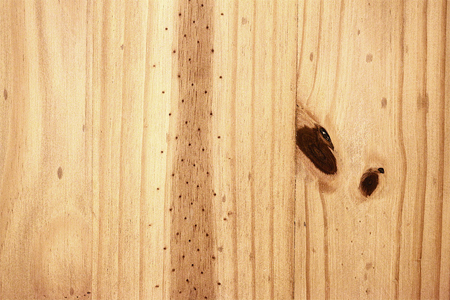
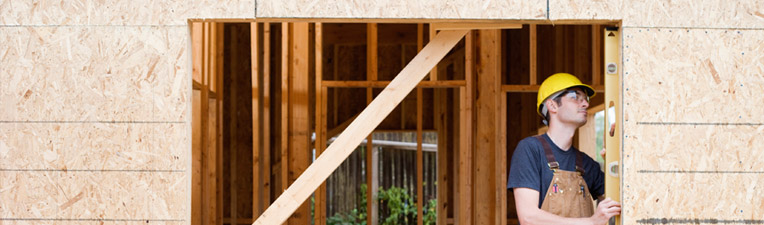
 As a preliminary step, you will want to make sure that you have blot dried all of the urine from the surface of the plywood. When blot drying, you will want to blot with all bodily weight with a secondary hand towel or paper towel to press out as much urine as possible. The more urine that gets removed early on, the better chance you will have of lifting the ammonia based odors from the fiber surface.
 This household acid can work wonders in cutting through ammonia based compounds to freshen surfaces. Mix one part white vinegar with four parts warm water a light layer of this solution over the top of the affected plywood. Allow the liquid to sit on top of the ammonia smelling area of the plywood for 2-3 hours as the chemical compound neutralizes the ammonia odor. Once complete, return to soak up excess vinegar deodorizing mixture with a large dry towel.
 As a final step, opening a window will help in drying out any moisture that may remain within the wood. This will allow fresh air to sweep within the room to provide for better circulation. Drying out moisture within the wood is important because mildew can develop within the wood fiber it it remains moist for too long a period.

 If baking soda has been ineffective lavender oil can have a powerful effect at covering up any odor within the vacuum cleaner. Dip 5-10 cotton balls within eucalyptus oil and place them on the ground. Next, suck the balls up and into the vacuum cleaners bag. This heavily scented compound will work to freshen the inner working of the machine over the subsequent days.
 Lavender oil can be used in place of eucalyptus oil to cover and treat any unwanted vacuum cleaner odors. Similarly, you will want to dip 5-10 cotton balls within lavender oil and place them on the ground to be sucked up within the machine. Once within the machine, they will work to deodorize the interior of the vacuum cleaner.
 Carpeting powder can have a similar effect within a vacuum cleaner as it is meant to have on carpeting. Sprinkle a 1/2 cup of this deodorizing powder on the floor and proceed to vacuum it up within the bag. Allow for the powder to sit for 24-48 hours for the finalizing effect to take place on the machine.
 This solution can have a powerful effect on the output of fumes sent out from the machine. This solution is rather simple, and only require sucking up 4-5 unused dryer sheets within the machine. Once completed, the scented sheets will ensure that most odors will be masked within the machine air pushed output.
 As a final solution, the vacuum cleaner bag can be emptied or even thrown out with particularly difficult odors. Vacuum bags are not particularly expensive and can be a sound solution for saving time while fixing odor.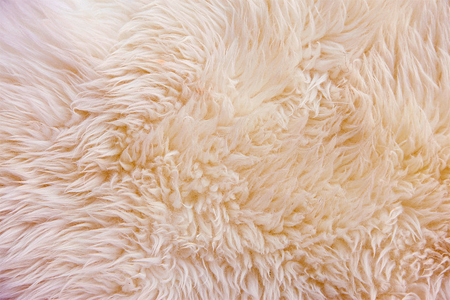

 Gently place the sheepskin within the bathtub mixture face down so that fur is facing downwards. Once completed, reach under the sheepskin and work the solution into the fibers. During this process, you will want any loose debris to fall clear of the hid while allowing the baking soda mixed waters access to the most smelly areas of the rug. Once you have hand scrubbed the bottom side of the entire rug, slowly lift the rub out of the bath tub. At this point you will want to squeeze as much moisture from it as possible.
 Once the entire sheepskin have dried outside, it can be brought indoor for a final combing to get it fluffy and presentable for home decor. As a final step, two teaspoons of baking soda can be disbursed over the sheepskin’s fur to maintain freshness and ward off future odors. After a few seconds of rubbing, the powder will find it’s way into the fiber and will no longer be visible.
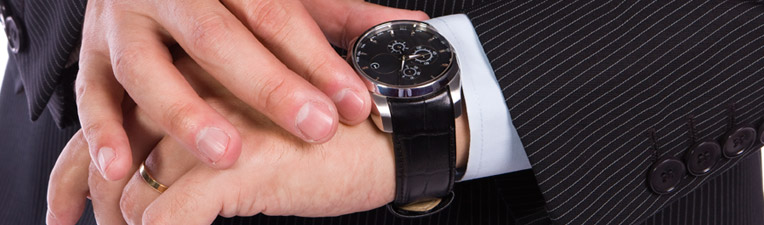
 Baking soda has been used for generations in extracting unwelcome odors from household items. Within a small bowl create a baking soda paste of one part baking soda to three parts water. Once mixed, submerge the leather watch bands within this formula and allow it to sit for 24 hours. During this time, the leather fiber will be loosened up and the baking soda will work to absorb the available odor. After this time period has passed, remove the watch bands and place them under the facet to wash away any baking soda paste that may remain on it. Finally, complete this solution by laying the watch band within the sun to air dry.
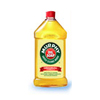 As far as product solutions go, Murphy’s Oil Soap can work wonders in eliminating harsh leather odors while remaining sensitive and gentile to the wrist bands appearance. Apply generous amounts of this solution to the watch band and allow it to sit for 2-3 hours. After this time rub away any excess and set aside for the fiber to naturally dry out.
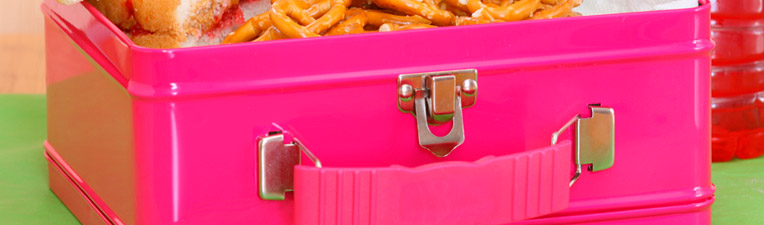
 In most cases, the foul smell of residues within a lunch box are the result of food being left within the lunch box and subsequently spoiling. Although removing all rotten from the box may come be common sense, we thought that we would mention it none the less. After removing the rotten food bit, you will be able to evaluate the need to further treat the box with of of the below deodorizing solutions.
 Although this may be something that you have already tried, it remains effective in eliminating most lunch box odors. Mix a solution of dish detergent with hot water and scrub down the interior of the lunch box. Once completed, proceed to wash down the interior with fresh water to lift out any soap residues. Finalize by placing the lunch box outside within the sun until all moisture has naturally evaporated away.
 If other methodologies have been ineffective, newspaper dipper within vanilla can do wonders in absorbing and covering rotten food odors. Wad up several sheets of newspaper until you are certain that the quantity will be sufficient to fill the space within the box. Next, dip the edges of the newspaper balls within a solution of one part vanilla extract and three parts water. Stuff the dipped balls within the lunch box, seal the lid and allow the box to sit for 24-48 hours. Once completed, open the lid and remove the newspaper balls from the case.
 Many people do not know that coffee grounds can be an effective odor absorbent. Fill the bottom of your lunch box with a half cup of coffee ground and close the lid. After 24-48 hours have passed, the grounds will have worked to absorb the unwelcome odor and left a subtle aroma of coffee beans behind.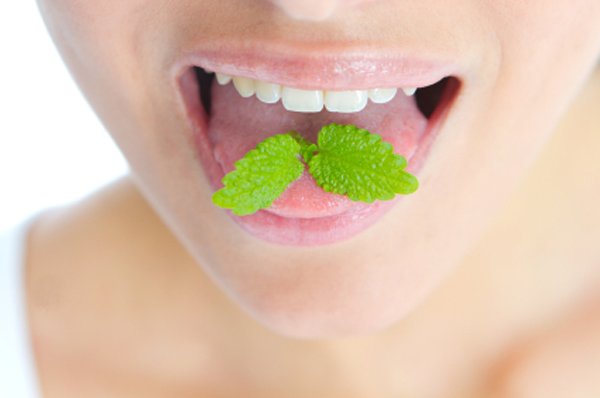

 Regularly drinking water will help in ensuring that you maintain fresh smelling breath. Water helps the mouth in staying hydrated and makes sure that bacteria does not become stagnate and grow. This is important because bacteria is one of the largest contributors to bad breath.
 Many claim that eating an apple a day will do much to remove the negative effects of bad breath. While this is only a temporary solution, the crispy fiber does a great job in cleansing the mouth getting rid of excess plaque that may be causing the problem. Similarly, bananas also can have a positive effect if you are out of apples.
 This solution has been used for generations to cover up bad breath. While most any candy or gum will have some short-term positive effect, ones that are naturally supplemented with cinnamon or ginger will have a much greater effect.
 Both hydrogen peroxide and astringent mouthwash can be effective at removing bad breath. When selecting mouthwash you can usually spot the astringent variety by it’s intense blu or green coloring. While all mouthwashes work, ones that only use high alcohol levels to kill bacteria will not be as powerful.
 It may sound gross, but many people fail to brush their teeth on a daily basis. Be sure that you are different, and always brush you teeth during both morning and night before going to bed. As a general rule, if you are brushing for less than 60 second, you can be doing a better job in cleaning your teeth.
 Much of the odor producing plaque that causes bad breath lives in the cracks and creases of the gum line and between the teeth. Flossing will help you reach these difficult location the snap out any bacteria grim that may be causing you mouth to smell. Make sure that you are flossing daily to prevent unwanted buildup.
 People rarely scrape their tongue, but this remains an important step in fighting the odorous bacteria within your mouth. The are countless groves and seams within your tongue where bacteria can grow. Scraping your tongue on a daily basis will ensure that this area is kept clean and clear of plaque.
 Both of these ingredients are known perpetrators of bad breath. If you are eating high quantities of these white vegetables of a regular basis, they may just be the source of you problem. As a preventative measure you can either test your own breath or ask a friend to smell you exhale after eating either of these ingredients at a restaurant.
 Besides being harmful to your health, smoking cigarettes on a regular basis can have a negative effect on your breath. Regular smokers should consider cutting back on there habit or stopping altogher if they are regularly combating a stale smoker’s breath. If quitting is not an option, the following guide can provide some extra ideas for freshening breath on the short term: Guide:
  If you are doing everything you can to reduce staleness within your breath with no success, your particular problem may be a medical one. During your next visit to the doctor bring up your problem and ask if it may be indicative of any larger problems.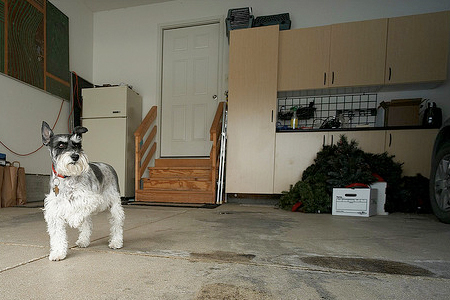
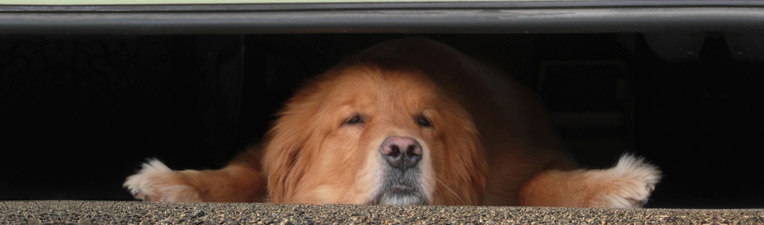
 It is important to always keep dog related debris off of the flooring. Regularly sweep up the skin cells and loose hair from the flooring to prevent these materials from accumulating. If these types of materials are not kept in check, they can easily end up in all areas of the garage and present a deodorizing challenge.
 It is smart to do a quarterly mop of the flooring in the garage with enzyme cleaning solution. This cleaning formula harnesses the power of active enzymes to work in eating the odorous organics emitted by the dog. In cases where there flooring has carpeting, a steam cleaner with enzyme deodorizing shampoo can be used.
 Improperly groomed dogs are often the source of smells within garage living spaces. Since most musty stenches begin with the dog, it only makes sense that a well groomed dog to keep a fresh smelling garage and home. If your dog has smell issues, aim for giving the dog monthly shampoo bathes.
 It’s important to have machine washable covers on the dog’s bed and any furniture that the dog regularly spends time on within the garage. This will help in preventing high levels of dander from building deep within the padding, and will allow for removal of the contaminated surface for a machine wash cycle.
 Much of the dog odor within a garage comes from poor circulation and the resulting accumulation of musty stale air. Try to always keep a window open with a window fan running to prevent this from happening. Of course, this practice can be placed on hold during winter months when weather will not permit it.
 Building a dog door to the backyard can help in preventing any late night urinating within the garage. This is a regular problem for many dogs that are confined within a garage. A owner’s long work hours and busy schedules can lead to a very smelly situation developing within the garage.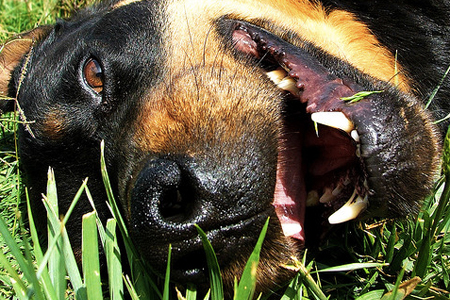
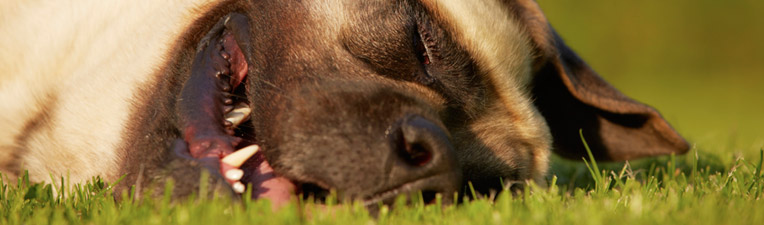
 If you notice an especially strong ammonia smell coming from the grass within your yard it is usually because your dog it ritualistically targeting the same grassy patch to do his business. The build up of urine in one spot can cause an especially bad smell. You can spot this location over the course of several days of close watch or by visiting your backyard at night with a blacklight.
 Once you have found the urine affected locations of your yard you will want to treat it with deodorizing granules. While selecting the deodorizing granule product, make sure it is both environmentally safe and made from natural ingredients. This is important to ensure that it does no toxic harm to the lawn, property or dog.
 Once you have spotted the smelly grass patch and treated it with deodorizing granules it is important to section off this part of the yard to limit access. Some dogs naturally develop a habit of peeing within the same area of the yard, and this is a habit that you will need to break. By section off this area you will give the deodorizing granules a chance to do their job in overcoming the ammonia stench.
 As helpful tactic for other areas around the yard, using the hose to water any area that receives a direct hit can be effective at diluting the urine concentration. As a habit, you can watch your dog after letting them out and follow behind with a hose once all business has been completed.
 When deciding upon a deodorizing solution, it is important to stay away from many tradition solutions used commonly around the home. Both baking soda and white vinegar can do more harm than good. While they may be effective at eliminating the odor within the lawn, they will have the result of killing the very lawn they it is meant to save.