
A number of people enjoy burning inside its in their home but this is a very personal choice. Even the most soothing lavender fragrance can become overwhelming after a while. It can start to cause headaches and make someone feel nauseous if the room is not well ventilated. Some people are simply offended by any type of incense. To them, it all just smells stinky, period.
The problem with burning incense in a room is that it contains oils which cling to surfaces. If the occupants of the room were not diligent in keeping its surfaces clean, it’s possible to for someone to move into a space and inherit the previous owner or tenant’s smell as well as the space. For someone who is not a fan of incense, this disinherited reek would be particularly offensive. The room simply would never smell clean. For that reason, we’ve included tips for dealing with making the room shipshape, and dealing with any residual stink that might have gotten into clothing as well.

How to Get Rid of Incense Smell from Room
1 Degrease Treatment for Walls and Trim
Clean the walls with a degreasing all-purpose cleaner. You will want to use something like Lestoil for this purpose. Make sure to wash the baseboards, ceiling and any wooden floors thoroughly as well. Rinse with plain water and allow to dry thoroughly.
2 Treat Walls with TSP
You can buy TSP (Trisodium Phosphate) a paint shop or hardware store. It is a cleaner that is used to prepare surfaces for painting. Mix up a mild solution of the cleaner with water and use it to wash down the walls would work and your ceiling. Be sure to read the directions carefully, since this product will take the shine off of painted surfaces if you use a high concentration of powder to water in the mix.
3 Activated Charcoal Solution
Activated charcoal will absorb gnarly odors in the room or closet that has been exposed to incense. The best part about this solution is that you can recharge the charcoal by placing it outdoors or baking it in the oven if it starts to lose its door-absorbing qualities. (Read the instructions on the packaging for specific instructions if you decide to put it in the oven.) Simply place the charcoal on plates and leave it out in various locations throughout the space. It may take several days for you to notice a difference, but over time the smell from the incense should dissipate.
4 Ammonia the Stank Out of the Room
If you have the luxury of being able to close up the room for time, try filling the bowl with ammonia. Leave it for a few days. When you come back, the incense smell should be gone. You can also try using white vinegar or bowls of baking soda instead.
5 Pet Store Enzyme Cleaner
You can find a solution to your problem of getting the smell of incense out of your carpet and furniture by paying a visit to your pet store. Nature’s Miracle is a product used to clean up pet accidents. It contains enzymes to break down unpleasant odors. It will work its way into soft surfaces like your carpet and fabric furniture to get rid of the stank from the intense. Use it with a rug shampoo or spray it onto the floor, let it soak in for a few minutes, and then shampoo it back up. For furniture, use the furniture attachment.
Remove Incense Smell from Clothes
1 Spray with Fabric Refresher
Give the affected clothing a spritz with some Febreze or another fabric refresher spray. As it dries, it will eliminate the odor from the fabric. If the problem is a minor one, this may be all you need.
2 Spritz with Rubbing Alcohol Solution
Mix up a mild solution of rubbing alcohol and water. Use 1 part rubbing alcohol to 10 parts water. Put it in a spray bottle. Give the clothes a light misting. As they dry, the smell from the incense will leave them. The alcohol will evaporate very quickly.
3 Use an Ozone Generator
Clothing should be deodorized before it is cleaned. Otherwise the incense odor could become set in the fabric. Ozone generators can be rented, or you could choose to buy one. Hang the clothing up in the room place the ozone generator inside and run it for a few hours the machine turns oh zone into oxygen and eliminates the incense smell.
4 Take the Clothes Outside
Fresh air and sunshine can do wonders for getting rid of many types of stinky smells, including ones from incense. You can hang up your items outside or place them on a clean sheet in a sunny spot. Leave them outside for several hours. Check them to make sure the smell is gone before taking them inside again.
[contact]



 One solution to the problem of a poop smell in a mattress can be found right in your kitchen. Spray the gnarly area with some vinegar and leave it in for about 15 minutes. Some people don’t like the way vinegar smells, but it is a lot more pleasant than sh – you know. After 15 minutes, sprinkle the area with baking soda and leave it in place for several hours before vacuuming it up.
  Mix borax powder and baking soda and sprinkle it on the stinky part of the mattress. You will need to leave it in place for a few hours to get the poop smell out of the mattress before you vacuum it up, as above. Let your nose be your guide after you have tried this method. You may need to repeat it if you don’t get the results you are looking for the first time.
  A visit to your local pet store can help you find the right product for dealing with a poopy problem. The friendly staff won’t ask who or what was responsible for the problem. Just explain that you need to get a poopy smell out of your mattress and ask for suggestions. The store should have more than one type of product that has ingredients that will break down enzymes responsible for the stink factor. You may not be able to gauge how well they are working until the mattress is fully dry, though, so don’t assume the product isn’t working if the smell doesn’t go away immediately or if you notice it seems to get worse at first.
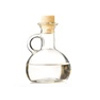 White vinegar and water is a natural cleaning solution and if you want to tackle the issue right away, go for it. Many people have vinegar on hand, and it will not damage your mattress. The worst thing that might happen is your bed will smell like French fries, which we’re thinking sounds pretty good in comparison to the poopy mattress smell.
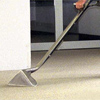 Renting a steam cleaner or using your own if you happen to own one is another solution to the issue of getting the poop smell out of mattress. Make sure the one you are using has an attachment for furniture, since you don’t want to be lifting a heavy unit up onto the bed to use it. Some models, like the Bissell’s Little Green Clean Machine, are made for spot cleaning and this would be a perfect choice for this type of job.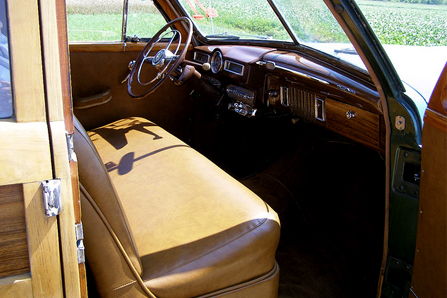
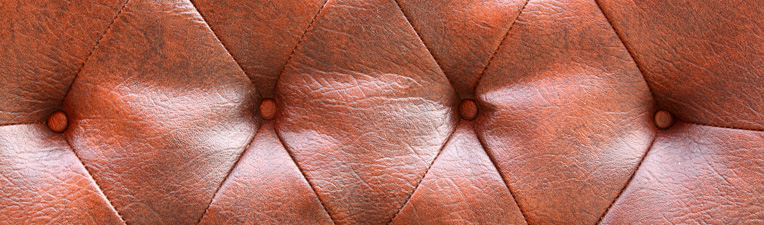
 The citric acid within lemon juice work well in deodorizing pleather and has an especially powerful effect on smoke related odors. Mix a solution of one part lemon juice with six parts lemon juice within a spray bottle and proceed to mist down the affected areas of the pleather upholstery. Once completed, allow the moisture to sit for a minimum of 5 minutes before returning wipe the moisture away with a hand towel.
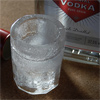 The high alcohol volume within this substance is highly effective at neutralizing odors within pleather on contact. Fill a generic spray bottle with a small amount of vodka and proceed to give the affected areas of the pleather upholstery a heavy dose of the alcoholic spirit. Once accomplished, take a light wight hand towel and proceed to work the vodka into the pleather fiber. After this has been perform, the vodka will quickly evaporate way leaving freshness behind.
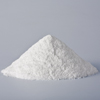 This household absorbent has been used for generations to extract difficult odors from upholstery. Mix a solution of one part baking soda with six parts warm water within a bowl. Dunk a small hand towel within the solution and proceed to wipe down the entire surface area of the pleather upholstery. After this has been accomplished, a light amount of baking soda can be sprinkled over the upholstery while moisture remains on the surface. Finish by sweeping away any loose baking soda powder 4-5 hours later after all of the moisture has dried away.
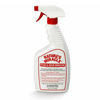 When dealing with an extremely challenging odor in pleather, you may need to use an enzyme cleaning solution to eat through the foul residues. To apply, simply spray down the entire affected surface of the pleather with a heavy spray of enzyme cleaner. Once preform, you will need to use a light hand towel to work the enzyme deodorizer into the microscopic cracks and crevasses of the pleather. After scrubbing, finish by allowing the enzyme moisture to evaporate away.
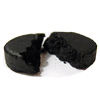 If you are not in a rush, several activated charcoal briquettes can be placed over the affected area within the drawer. For safety reasons, you will need to proceed to place activated charcoal briquettes first within an old pair of nylon leggings. This will help to maintain a barrier between the charcoal and the drawer to prevent any unwanted staining. Allow the activated charcoal to rest in place for 4-7 days while the absorbent materials works to suck in the unwanted aroma.
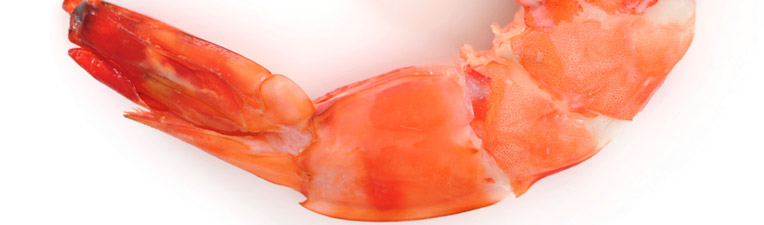
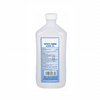 This solution works fantastically at cutting through rotten residues and sterilizing surfaces. Moisten the a rag with rubbing alcohol and give the area where the shrimp had be resting a thorough wipe down. Afterwards, provide 10-15 minutes for the any alcohol residues to evaporate away.
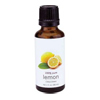 This natural oil can work well in cutting through the stink of a rotten prawn through the chemical effects of citric acid. Moisten a hand towel with lemon oil and proceed to wipe down the affected area within the drawer. Leave drawer open for the lemon oil to aerate. Upon completion, the stench of prawn should be wiped out to be replaced by the welcoming scent of citrus fruit.

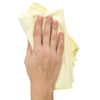 Often all that is needed to remove an odor within a piano is to republish the instrument. Aggregated dust can build within the surface of the piano and a simple polish with a soft cloth can help to gentiles lift away any musty buildup that may be resting on the piano. It important to first try gentile solutions that will not harm the pianos finish before moving into solutions that contain stronger chemicals.
 As a final solution, wiping down the piano with enzyme solution can be effective against especially difficult musty odors. The active enzymes within the solution will actually eat through the odorous mildew organics on the surface to leave it smelling fresh. Pour a small amount of this formula within a bowl and proceed to moisten a soft cloth within the formula. Begin wiping down the entire surface of the piano and making sure that no area is left untouched. As a final step, open the windows to aid the enzyme solution in it’s evaporation process.

 As soon as a beer has been spilled it is important to act fast. You will want to try to remove the beer odor within the first 3-6 hours that it has contacted the couch while the scent of alcoholic beverage is very low. After 24-48 hours, the beer can spoil and develop into a rather awful stench that can be a challenge to clean and deodorize.
  As your first official action you will want to lift the affected cushions from the couch and move them to a clean surface outside for treatment. This will ensure that the beer does not make its way within the crack or creases of the couch. Next, you will need to blot dry the cushion with dry clean towel. While blotting be sure to place your entire body weight behind the towel to ensure that the maximum amount of moisture is drawn out of the cushion. It may seem counter intuitive, but you will want to pour water the affected area of the cushioning and blot dry again. This will help to water down the spot and pull even more beer residue from the cushion.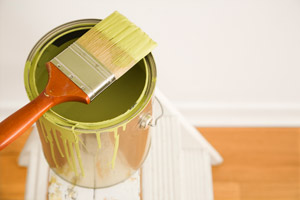
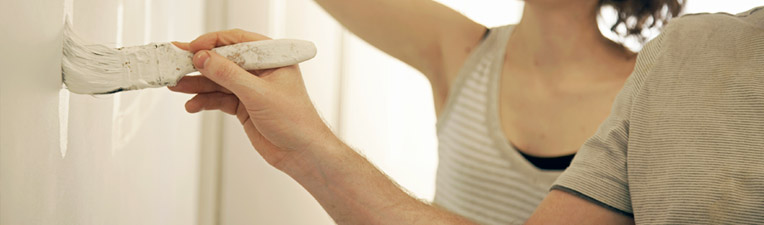
 This method may sound strange, but it has successfully been used for generations to remove the effects of paint odor. Begin by cutting a full onion into four parts and placing each piece within a bowl. Next, fill these bowls with a cup of water and place the bowls around the piece of furniture that smells of paint. Allow the bowls to sit for 2-3 days surrounding the object while it works to absorb all unwanted odors. Once this time has passed, perform a smell test to ensure that the smell has passed and then remove the bowls.
 Once of the most effective ways to eliminate the paint odor is to move the piece of furniture outside within the sun. The ultra violet rays will go to work in neutralizing the stench of the paint odor, while the fresh air and open space will gently lift any residual chemical scent. You will need to place the piece of furniture within a location of the yard where it will be sure to receive a minimum of 8 hours of direct sunlight. If any odor remains after the first day, you can try putting the furniture outside within the sun for a second or third day until no paint scent remains within it.
 Similar to onions, oranges do very well at absorbing paint odors within furniture. Unpeel two oranges and take apart all of the wedges within each of them. Place the detached remains of each within two separate bowls and then place these bowls on either side of the piece of furniture. Allow the orange filled bowls to sit for 48 hours before returning to the piece of furniture to smell it and remove the bowls.
 If the furniture is a desk or chest of drawers, this solution can be very effective at removing difficult odors from enclosed spaces. Begin by filling a small saucer with vanilla extract and crumpling up several balls of newspaper. Take each ball and lightly dip the edged with the solution before proceeding to place these balls within the draws and enclosed spaces. After closing the drawers and spaces, allow the newspaper wads to sit for 24-48 before returning to remove them from the freshened space. The newspaper works to absorb the paint odor while the vanilla will have masked any remaining smell with its own subtle scent.
  If nothing has been worked, you can try applying another coat of clear sealing paint over the piece of furniture that is emitting the paint smell. This will help to lock any smell from the original paint within and prevent it from smelling up the room. Because this option can be rather time consuming, it is recommended that you only use this as a last resort.
 If you anticipate that a paint will smell, you can take one small but effective step to ensure that it does not smell. Simply measure one teaspoon of vanilla extract for each gallon of paint and thoroughly mix the ingredient in before use. The vanilla extract will work to neutralize the paint related odor and ensure that it does not contain an odor.

 In a similar fashion to white vinegar, the citric acid within lemon juice works to cut through odorous residues upon contact. Mix a solution of one part lemon juice with five parts water inside a generic spray bottle. Proceed to mist down the furniture with a heavy shot of lemon juice to ensure that no area is left untouched. Once completed, open the windows within the room to allow for a quicker evaporation process.