
Pianos are often some of the oldest structures within the home. As these musical antiques are passed down through the generations, they naturally develop a foul mildew stink.
Although the piano may create a unpleasant odor, there do exist a range of household solutions for extracting the odor from the musical instruments to return them to normal. By following the solutions below, you can be sure that your piano will be smelling fresh regardless of how old it may be.

Solutions for Removing Smell from Pianos
1 Polish Piano with Soft Cloth
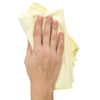 Often all that is needed to remove an odor within a piano is to republish the instrument. Aggregated dust can build within the surface of the piano and a simple polish with a soft cloth can help to gentiles lift away any musty buildup that may be resting on the piano. It important to first try gentile solutions that will not harm the pianos finish before moving into solutions that contain stronger chemicals.
2 Light Solution of White Vinegar
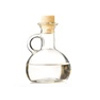 This household acid is one of the most effective solutions against the microscopic mildew that may gather on the pianos surface. Mix a formula of one part white vinegar to ten parts water and dunk a soft cloth within the solution. Proceed to wring out the majority of the moisture from the cloth before proceeding to wipe down the entire piano. It is important that no area is left untouched to ensure the complete eradication of the odor. Finish by opening windows within the room to allow for any moisture lingering on the piano’s surface to quickly evaporate away.
3 Charcoal Briquettes Inside
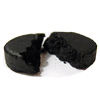 As a noninvasive solution, high quantities of activated charcoal briquettes can be used to absorb the unwanted smell lingering within the instrument. Begin by opening the piano up and placing activated charcoal briquettes through the interior of the instrument within key locations where they are sure to pull in as much odor as possible. Allow the charcoal briquettes to sit within these locations until the odor has been eliminated. As a general rule of thumb, you may need to look for alternative deodorizing solutions if the charcoal briquettes has not had a desired effect after 2 weeks.
4 Baking Soda Socks
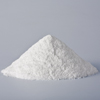 In a similar fashion to activated charcoal, baking soda can be used to absorb musty odors from the interior of the piano. Place a half cup of baking soda within 4 socks. Proceed ti tie the socks and place them within strategic locations within the interior of the piano. Allow them to work their magic for 2-3 weeks before removing them fresh your freshened piano.
5 Enzyme Wipedown
 As a final solution, wiping down the piano with enzyme solution can be effective against especially difficult musty odors. The active enzymes within the solution will actually eat through the odorous mildew organics on the surface to leave it smelling fresh. Pour a small amount of this formula within a bowl and proceed to moisten a soft cloth within the formula. Begin wiping down the entire surface of the piano and making sure that no area is left untouched. As a final step, open the windows to aid the enzyme solution in it’s evaporation process.
Photo credit: Ernst Vikne
[contact]
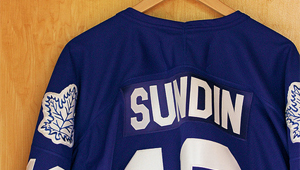

 Soaking the jersey within hydrogen peroxide can be highly effective for light colored jerseys. This solution has a minor bleaching effect, so it may not be the best idea to use on dark jersey colors. Begin this method by mixing a solution of one part hydrogen peroxide with five parts water within a bucket. Proceed to dunk the jersey within the mixture and allow for it to soak for 60-90 minutes. Upon completion, place the jersey through a normal detergent washing machine cycle.
 This product solution utilizes similar chemical compounds as hydrogen peroxide and works well in freshening clothing like smelly jerseys. Mix a solution of Oxiclean within a bucket and submerge you stinky jersey within the product formula for 40-60 minutes. Since this product solution does share some similar compound with hydrogen peroxide it may be a good idea to shorten the soaking time with dark jersey colors. After soaking, you can finish by placing the freshened jersey through an entire wash cycle.
 As a final deodorizing step, consider hanging the jersey outside within direct sunlight to air dry. This is a much more effective at deodorizing than running through the dryer where the smell could potential return. Hanging the outside within the sun will allow it to benefit from the open space, fresh air and UV rays which will work to neutralizing any remaining odor and lift it away.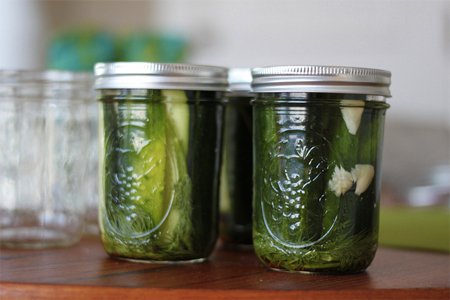
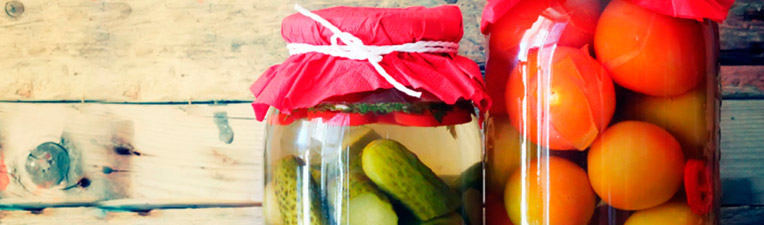
 This may seem to good to be true, but simply running the pickle jar through the dishwasher will often be enough to eliminate the pickle smell. The extremely hot water and dish detergent work in tandem to initially expand the glass jar and allow the detergent to cut through the residues.
 In a similar function to white vinegar, the acid within lemon juice will work to cut through the pickle odor within the jars. Squeeze the juice for a whole lemon within the jar and then place the crushed remains of the lemon within the jar. Next, fill the jar to the rim with very hot water and seal the lid. Again, allow the jar to sit for a minimum of 24 hours as the hot water expands the jar and the citric acid deodorizes the jar’s interior.
 As a final solution the high alcohol content within rubbing alcohol can have a powerful sterilizing and deodorizing impact on the pickle odor within a jar. Fill the jar up with 3/4 hot water and top off the remainder with rubbing alcohol. Proceed to seal the lid and allow the jar to sit for 6-8 hours before returning to pour out the deodrizing solution and rinse the freshened jar out.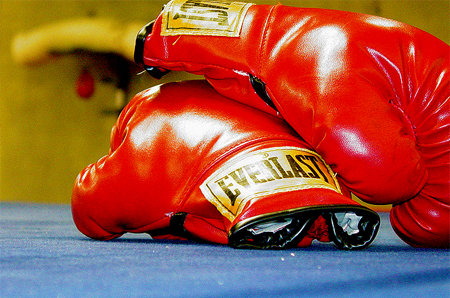

 If your boxing gloves have an especially challenging odor, fabric softener sheets and newspaper can be used in tandem as a deodorizing solution. Begin by stuffing two fabric softener sheets within each of the gloves. Follow this action by wadding up several sheets of newspaper and stuffing them within the entire of each glove until no further space is available. Simply let these content rest within the gloves over night and remove them before the using the gloves within the future. The newspaper will work to absorb the moisture and smell while the fabric softener will impart a gentle flora effect.
 Another tried and true solution for removing odors from boxing gloves is through the use of cedar chips. Although socks vary in size, you can safely fill up two different normal size socks with cedar chips, making sure to tie a knot at the end to keep the cedar chips from falling out. Upon making these cedar chip deodorizer sack, you will want to use them after every use of the boxing gloves. For best results, you can leave the deodorizing inserts within the gloves until you need to use them again.
 In a similar fashion as wood chips, fresh cat litter can be tied into socks as a deodorizing solution. Although cat litter is engineered for a feline’s waste, it can remain very effective as a deodorizer of boxing gloves. Fill two socks up half way with cat liter and proceed to tie knots to keep any of the deodorizing granules from spilling out. Place these freshening bundles within each glove after use and remove them shortly before future use for best results.
 As a final deodorizing solution, the boxing gloves can be places outside on a back patio or terrace to allow the gloves to properly air out and let the smelly sweat dry within them. As a general rule of thumb, boxing gloves will take somewhere between 24-48 to have the worst of the smelly residues dry out.
 The practice of wearing hand wraps within your gloves will do much to cut down on the amount of sweat that makes it’s way within the gloves. Less sweat within the gloves translates directly to less odor from developing. Hand wraps can easily be placed through the washing machine and can save you much time and effort spent in deodorizing your gloves.
 If you do find odors building within your gloves, it will be important that you treat the gloves regularly with one of the above solutions. If they are not treated for too long of a period the smell can intensify into an unworldly stench that can be extremely difficult to remove.
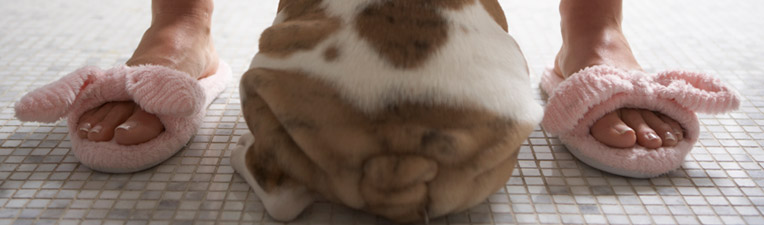
 If your slipper are machine washable, you may want to consider placing them through a washing cycle. When performing this task, you run the washer on cold to prevent shrinkage and add in a half cup of baking soda to give a boost to the detergent solution. Upon completion of the wash cycle, place the slippers outside in the sun to be air dried. As a precaution, placing slippers within the dryer can potentially lead to unwanted shrinkage.

 Unfold a wired coat hanger and bend it until it becomes completely straight. Once performed, fold the wire hanger within the middle so that the hanger can do a better job of holding up. Next, make a hook out of the wire’s end and wrap several paper towels around the hook. Dip the paper towels within a solution of rubbing alcohol and proceed to stick the paper towel cover hook down the mouth hole of the bong. You will need to push and pull the wire out so the paper towel can clean and santitize the interior of the bong’s neck. Once you have removed much of the visanle residues from the bongs neck you can proceed to one of the deodorizing solutions below.
 In a similar method as rubbing alcohol, vodka and rice can work equally well at removing odor within the bong. Mix a solution of vodka and water in equal parts and pour within a dismantled and plugged bong. Next, add in a half cup of dry rice, cover the top and give the bog a good shake for 3-5 minutes. Once completed, allow the contents to rest within the bottom of the bong for 3-4 hours. After this time period has passed, the contents within the bong can be pour out. Finalize by rinsing out any remaining rice or vodka from the bong’s interior.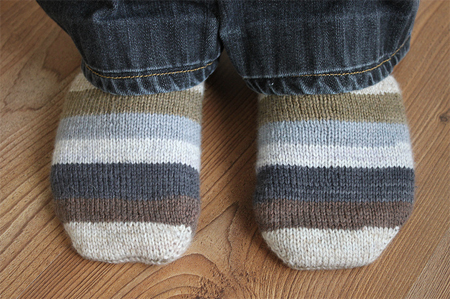
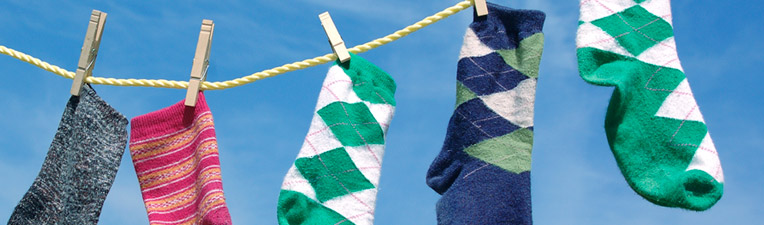
 The use of bleach can be an effective alternative to baking soda and white vinegar for eliminate odors within white socks. Similar to the other compounds, start the washing cycle with the detergent and smelly white sock and allow water to rise before adding in a full cup of bleach. During the cycle, the bleach will work to cut through the bacteria that is causing the sharp odor within the socks.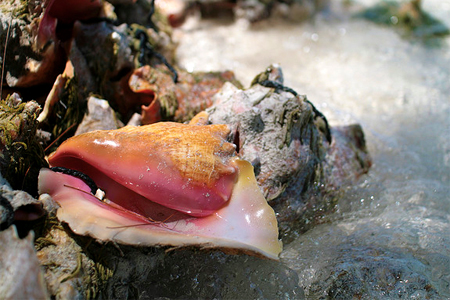
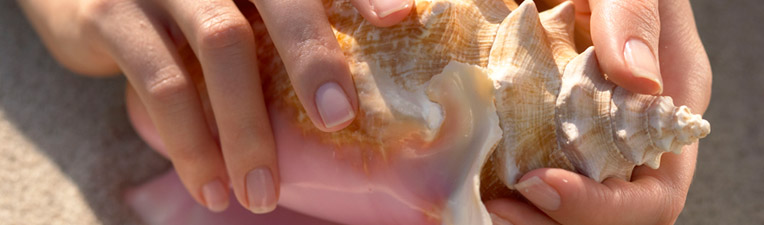
 This is an unconventional method, but many people swear by it’s effectiveness. Fin a location within the yard where many bugs or ant congregate. Out of all possible areas, ant hills are the most idea location. Place the conch shell down on the ground and leave it there for 3-4 weeks. During this time, ants and other scavenger bugs will go to work in cleaning meaty bits and residues out of the conch shell. Upon completion of this time period, bring the shell in the home and wash it.
 In a similar function to boiling, freezing will also kill the bacteria and loosen any organic bits within the shell. The cold temperature of the freezer has the effect of killing the bacteria due to it’s inability to survive in such cold temperatures. Place the smelly conch shell within a sealed trash bag and place this bag within the freezer. Allow for it to remain within the freezer for 2-3 days before retrieving it and removing the shell from the bag to air outside within the yard.
 Using this method requires several months to deodorize, but it remains an effective solution. Find a nice dirt spot within the yard and dig a 2 foot deep hole. Place the conch shell in the hole and fill the dirt in behind it. Additionally, it’s important place a small stake in the dirt to serve as a reminder of where the conch shell is buried. Allow the conch shell to rest in the dirt for 3-4 months before returning to dig it out. As a final precaution, be careful not to chip the shell with a shovel while digging it up.
 As a final solution, you can simply decide that you are going to wait the smell out. You can do this by placing the shell in the most remote corner of your property and provide 1-2 months for the organic bits to naturally dry out and decompose.
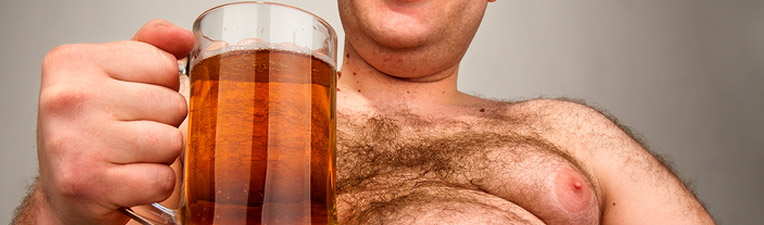
 As soon as a beer has been spilled it is important to act fast. You will want to try to remove the beer odor within the first 3-6 hours that it has contacted the couch while the scent of alcoholic beverage is very low. After 24-48 hours, the beer can spoil and develop into a rather awful stench that can be a challenge to clean and deodorize.
  As your first official action you will want to lift the affected cushions from the couch and move them to a clean surface outside for treatment. This will ensure that the beer does not make its way within the crack or creases of the couch. Next, you will need to blot dry the cushion with dry clean towel. While blotting be sure to place your entire body weight behind the towel to ensure that the maximum amount of moisture is drawn out of the cushion. It may seem counter intuitive, but you will want to pour water the affected area of the cushioning and blot dry again. This will help to water down the spot and pull even more beer residue from the cushion.

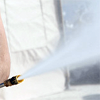 In many cases, you can effectively prevent a wetsuit odor from developing by rinsing it with fresh water after spending time within the ocean. Usually a hose within the backyard will work best for washing alway all of the odorous residues.
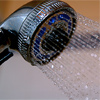 As another option, you can go home within the wetsuit and immediately jump within the shower. This will allow you to apply body soap to the neoprene and strip the suit off within an environment where it is sure to get clean. As a not of precaution, you will want to make sure to wash away all soap residues before hanging it to dry within a shaded location. As a precaution, avoid taking a hot or warm shower while you have the wetsuit on as this can lead to harmful stiffening effects within the neoprene.
 It may feel great to pee within the suit during a surfing session, however the resulting ammonia odor will almost always make you regret it. If the deed must be dude, make sure that you will continue to reside within the ocean for 20-30 minutes for the urine chemicals to diffuse within the sea.
 After washing the ocean residue away, proceed to hang the wetsuits inside out while air drying them within a cool dry location. Doing this will allow for of the bodily odors that may have developed within the wetsuit to air out and be lifted off during the evaporation process.
 In cases where common body soap is not being effective at lifting the odor, specialty soap from your local surf shop will work well at eliminating the embedded odor. These specialty soaps are often more gentle on the neoprene and are more effective at eliminating odors within the wetsuits.
 These deadly trio must be avoided at all cost. If the dry neoprene is left within the sun it can quickly age and begin to crack. Additionally harsh cleaning chemicals like bleach can have the effect of eating away at the wetsuit material and cause unwanted damage. Finally, hot water can lead to unwanted stiffening of the neoprene fiber.