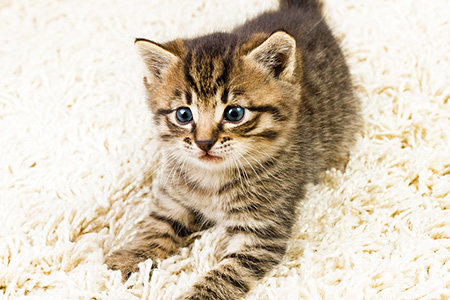
We may love our furry felines but cat pee is one of the hardest smells to get rid of once it has invaded a carpet. The ammonia smell will last long after the initial incident. Whether it was Mr. Friskie’s way of saying that the litter box needed changing or someone was marking his territory, the gagging smell of pee is not something you want to have waiting to tap you on the shoulder every time you walk into your home. You don’t want to be holding your nose when you come in the door.
Unfortunately, once a cat starts peeing on the carpet, the critter will likely repeat the behavior. Unless you nip this P.U. problem in the bud, you will be stuck dealing with it over and over again. The more often the carpet gets wet, the more likely the smell will penetrate into the underpad. The urine may even reach the subfloor, which will cause an even bigger (and more expensive) mess to clean up. Choose a solution that attacks the stink issue by getting down into the carpet to neutralize the smell. We have some great suggestions for your consideration.
How to Get Cat Smell Out of Carpet
1 White Vinegar the Smell Out
White vinegar is a good solution to the problem of getting kitty smell out of your carpet for a couple of reasons. It will get the smell out of the carpet and act as a deterrent against future incidents. The vinegar may be applied either straight or diluted to the carpet to get rid of the smell. You can also place a bowl of white vinegar on your carpet near the spot where you have done the cleaning job. The cat will be repelled by the smell and is not likely to return. You can leave the bowl of vinegar in place for a few days to discourage kitty from returning to the same spot in your carpet.
2 Vinegar-Baking Soda-Peroxide One-Two-Three Punch
This solution to involves using three steps to getting the cat smell out of your carpet. First, mix up a 50/50 solution of white vinegar and water. Pour it onto the carpet and allow it to penetrate deep into the carpet fibers. Blot the carpet with paper towels to dry the surface as much as possible. A wet/dry vacuum cleaner may be used for this purpose as well. Sprinkle a handful of baking soda over the area. Mix 1/4 of a cup of 3% hydrogen peroxide with one teaspoon of liquid dishwashing liquid. Drizzle or spray the liquid over the baking soda. Work the liquid and baking soda into the carpet with a scrub brush, tooth brush or your fingers. Allow it to dry. Once the carpet is dry, vacuum up the baking soda. Use a hard bristled brush to remove it from the surface of the carpet. You should be left with a fresh-smelling floor.
3 Enzyme-based Cleaners from the Pet Store
Pay a visit to your pet store to check for solutions to your kitty smell problem. The staff can point you in the direction of some enzyme-based cleaning products. Nature’s Miracle is one popular brand but you may also want to try PetZyme to get the smell out.
4 Get Rid of It with Norwex Odour Eliminator
Norwex is a Norwegian company that has been in business since 1994. Its Odor Eliminator will get rid of all kinds of gnarly smells, including cat pee, from carpets. Use one part Odor Eliminator to seven parts water. The product is available from one of the company’s independent sales consultants.
5 Listerine and Hot Water the Problem Away
Add a few drops of Listerine mouth wash to a copy of hot water Pour it onto your stinky carpet. The alcohol in the Listerine is a disinfectant, and will get rid of the smell in your floor covering.
[contact]
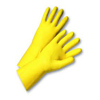 Once your cat gets sprayed, you will need to first prepare yourself for it’s treatment. The smelly oil residues sprayed on your cat can easily rub off on your hands and clothes. With this in mind, you should immediately change into clothing that you do no care for and place on rubber gloves to protect your hands from the treatment.
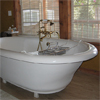 Once you have prepared yourself, you will need to proceed to quarantine your sprayed kitty within the bathroom. This will help to minimize the damage that a freshly sprayed cat can have when rubbing up against various areas of the home. If you can manage to contain your cat within the bath or shower this will work even better in minimizing the potential odorous damage that this can create.
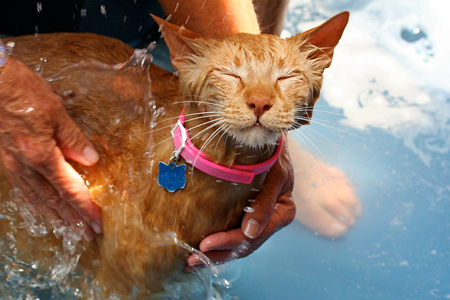
 In order to prepare the cat for the bath, you will need to plug the drain and create a pool of water that is a minimum of 3-4 inches deep. Ideally, you will want the water reach close to your kitten’s chest. During this time, do your best to calm your cat to ensure that it does not panic within the water.
 A household de-skunking solution can be made from simple ingredients that are found within most households. It is highly effective at breaking down and liquifying the skunk oil and working to absorb and cut through the odor. To create, you will need to produce a solution of 3% hydrogen peroxide, 1/4 cup of baking soda and one teaspoon of dish detergent. Dunk an old rags within the foamy substance and proceed to scrub down the cat’s fur and scrub away any skunk residues. Once the household solution has been applied to the entire cat, you can proceed to wash the solution away from the cat’s fur with the available water at the base of the tub. Take precaution to avoid getting this solution within the eyes of your cats.
 Tomato juice can have a powerful effect in cutting through the skunk spray oils and neutralizing the odors. Fill a bowl with tomatoes juice and dunk a old hand towel within the substance. Proceed to rub down the entire cat from head to toe with the solution to ensure that no area is left untouched. Make sure that you rub the juice within the fur for a few minutes, before washing the tomato juice from the cat’s fur. Similarly, you will want to be careful to not get any tomato juice within cat’s eyes while applying to the cat’s face.
 As a final solution, the use of cat shampoo can have a powerful effect in cutting through the skunky stench within your cat. Use
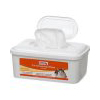 Bath wipes can be used to clean and deodorize a cat when bathing it within soapy water is out of the question. As an additional benefit, cats often prefer bath wipes because they feel as though they are receiving a massage during its application.
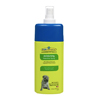 In addition to bath wipes, deodorizing cat product sprays can be helpful in neutralizing cigarette odors within a cat’s fur. These types of cleaning solutions are advantagious because they can deliver a deodorizing effect after only a few brief sprays. However, cats will almost always be adverse to direct sprays, so it may be a good idea to team up with a second person to hold the cat in place while you perform this function.
 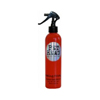 This product solution comes out as foam and can be worked within the cat’s fur with your hands. Initially, most cats will not feel the moisture and will not be adverse to the shampoo’s application. For best results, first spray the deodorizing foam within your hands rather than applying the foam directly on the cat. This will help to minimize any shock within the cat during the cleaning process.
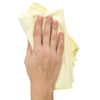 As a final solution, small quantities of baking soda can be used to absorb cigarette odors within your cat’s fur. Mix a solution of one part baking soda with eight parts water within a small bowl. Proceed to dip a cloth within this mixture and lightly apply it to your cat. It is important not to apply too much of this formula, as large amounts of baking soda can result in adverse health problems if indigested by your cat. As a rule of thumb, keep this solution as light as possible while applying it within your cat’s fur.
 Using an enzyme product spray is undoubtedly the most effective solution for removing the odorous dander and residues left within your couch. These sprays are especially engineered to remove cat odors and harness the power of active enzyme to literally eat through your cat’s smelly organic materials. Spray down the entire couch so that all areas are hit, and allow the solution to naturally air dry off over the next 6-8 hours.
 Although it sounds simplistic, a bit of sunshine and fresh air are often enough to lift away any cat related odor. The open space, fresh air and UV rays work to combat the residues and neutralize them on the spot. Wait for a sunny day and move your couch outside into direct sunlight within the morning. Make sure it is placed within a location of your yard where it will receive a minimum of 8 hour of direct sunlight throughout the day. If the smell persists after a day in the sun. you can try a second or third day for better results.
 The use of the party drink to combat odors has been in practice for several generations. Pour vodka within a generic spray bottle and proceed to mist down the entire affected area of the couch. The alcohol has the unique capability of neutralizing smelly residues on contact and proceeding to evaporate odorously away within 30-45 minutes.
 This household acid is highly effective at eliminating odors within the home. Mix a solution of one part white vinegar with five parts white vinegar within a generic spray bottle. Proceed to spray down all affected area of the couch with a mild mist from the bottle. Next, be sure to open the windows within the room that the couch is located to help speed up the evaporation of the formula. As a side note, the spray will continue to smell of vinegar until it has completely dried.
 This solution works within a similar way as vodka by utilizing alcohol to neutralize odorous residues on the spot. Mix a solution of one part rubbing alcohol with five parts water and proceed to spray down the affected area of the couch. Allow 3-4 hours for the solution to evaporate away.
 This solution harnesses the power citric acid has in cutting through difficult odors. Mix a solution of one part lemon juice with eight parts water within a spray bottle and mist down all cat affected areas within the couch. Open the windows and provide 2-3 hours for the mixture to evaporate before putting the couch back into use.
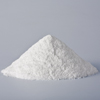 If the couch cushions have covers that can be opened through use of zippers, this method can help to lower cat odors and make sure that they do not reach high levels within the future. Unzip each couch cushion and add in 1/4 cup of baking soda within each cushion cover. Zip the cushions closed and the couch will be ready for use.
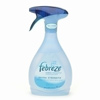 There are several household deodorizing sprays that can be effective for mild cat related odors within the couch. Products like Febreze and Glade can work to cover and neutralize mild feline odors within the couch. Simply spray down the affected area and provide approximately 30-60 minutes for the product solution to evaporate away.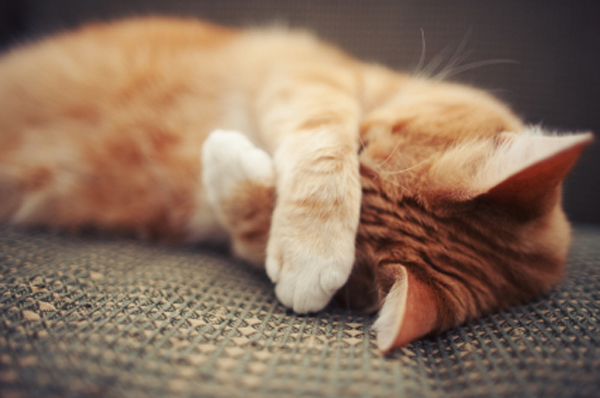
 If you have caught your kitten within the act on one of the cushions from your couch or sofa, gentility remove the cushion to place it outside as soon as possible. Cat urine has a way of making it’s way within the cracks of the couch and underlying furniture frames if it has enough time to soak in. By immediately removing the cushion, you will be preventing this from happening and diverting a larger problem.
 If the smell of cat urine is within a piece of your furniture, it is likely that it has taken a direct hit. In such cases, you can use a blacklight to search out the spot. Close the blinds within the room, and run a black light over the affected piece of furniture. Immediately, you should be able to see a subtile grow emanating from that areas where your cat has urinated on the furniture.
 Once much of the urine has been lifted from the location, you can proceed to pour small amounts of water onto the affected portions of the furniture to dilute the remaining residues within. After pouring water onto the upholstery and underlying furniture padding, you can proceed to blot dry the location to pull out additional urine resides from the cushioning. For best results, pour water and blot dry a second time to lift additional urine fluids out of the furniture.
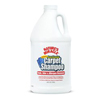 Once much of the urine and ammonia based residues have been lifted from the furniture, using enzyme cleaner will help to eat through the existing residues and deodorizing the urine odor. Pour enzyme cleaning solution over the affected areas and allow for the solution to set for 24-48 hours while it literally eats through the organic urine residues within the upholstery and underlying padding. Once 1-2 days have passed, you can return to blot dry the enzyme cleaning solution from the furniture before placing back within use.
 Cats are creatures of comfort and often will opt to relieve their bladders in places that are close and comfortable. If the cat litter box is located on the other end of the house, you may wish to consider placing another litter box on the other corner of the household. Doing will ensure that you cat is always within close proximity to the litter box and will have no excuse not to use it. As an additional precaution, avoid placing that the box within a location that can accidentally be blocked off by a door or obstruction. If cats cannot get to their litter box, you can be sure that they will relieve themselves elsewhere.
 Rewards always work better than punishments. If your cat successfully uses his litter box, be sure to provide rewards from time to time to increase it’s positive association with the act. This is especially important after the cat has misfired on you furniture as this will incentives this practice and will ensure that your cat does not get within the habit of peeing anywhere that he pleases within the house. If this problem persists, it may make sense to take you cat to the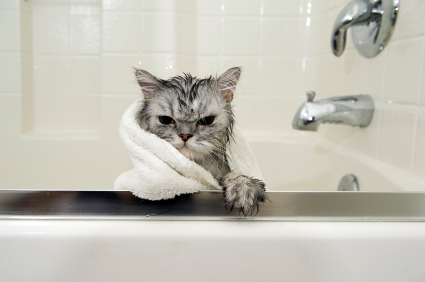
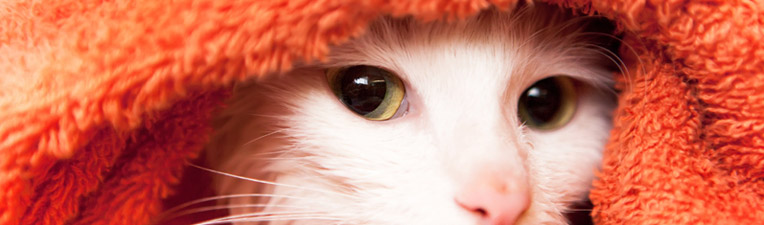
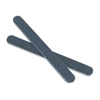 Before washing your cat, take some defensive measure before the process begins. File down it’s claws to ensure that if it does swat at you, it’s nails will be so dull that they will not be successful at drawing blood.
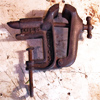 It is important that you hold your cat firmly to prevent it from slipping loose. Should your cat have the chance to break free, it will seize the moment to bolt out from the bathroom. Additionally, be careful not to hold too tightly as this may constrict the cat’s ability to breathe properly.
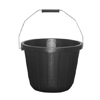 Bring cat within the bathroom and place it within the water. Using the bucket, soak the cat from head to tail in the warm water while holding the cat in place. During this stage be sure that all large debris are cleansed from the kitten’s fur, allowing the shampoo to have a greater effect.
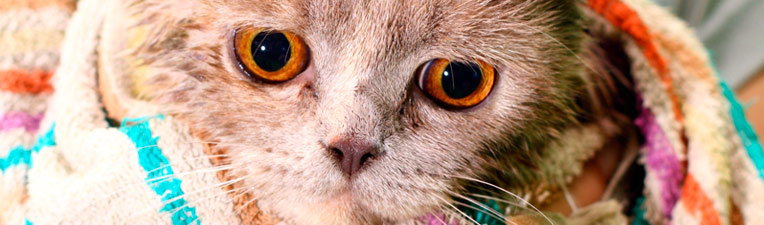
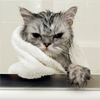 To dry cat, remove from water and wrap within a medium sized towel. Begin blot drying cat from all sides to ensure that the vast majority of the moisture is pulled from the cat’s fur. After the cat has been blot dried, let the cat loose within the house. However, take precaution to keep the cat indoors until it’s coat has completely dried off. If the cat continues to smell immediately after the bath, it may be wise to contact a
 Washing clothing with hot water helps in opening up fabric and allowing detergent to get deep within the fiber. Check the washing instructions for your clothing and set it the the maximum that it will allow.
 Often washing clothing one time is not enough to remove to remove deep down urine odors. When urine is left to set within clothing it will become entrenched within the fiber and usually require more than just one washing. A second or even third washing can be enough to get urine soaked clothing smelling fresh again.
 This is a wonderful household ingredient for absorbing unwanted odors within clothing. Measure half a cup of baking soda and add it within a detergent wash. Adding baking soda usually gives a load the needed boost to remove urine odor within one wash cycle. As an extra benefit, baking soda will make the whites whiter.
 Hanging your clothes outside on a clothesline will do more in removing odors than throwing them within the dryer. A fresh breeze and open space will work to carry off much of the unwanted odors.

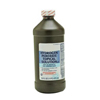 The chemical properties in hydrogen peroxide work well in fighting the odorous effects of cat urine. It usually has the effects of breaking down the organics and lightening darken stains. Measure one part hydrogen peroxide with two parts water and pour on the location of the spill. After 24 hours, return and blot dry the remaining moisture.
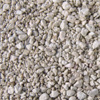 Kitty litter has wonderful range of odor absorption. When your kitten piddles on wood, just pour cat litter over the location and allow for it to sit for 24 hours. After a day has passed, sweep it up and enjoy freshened wood.
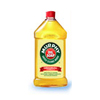 This product works wonders in getting deep down into grain to clean wood and lift out any residual odors. Pour oil soap on the wood’s surface and work within the grain. Allow the product to sit on the wood for a minimum of 24 hours before wiping up any remaining residue.
 If cleaning methods are not effective, vanish can be applied to the wood’s surface to seal the odor within the fiber. Placing two coats of vanish will help to ensure that the odor does not return.
 As a first step, opening the windows will allow for fresh air to circulate and work to carry away some of the unwanted odor. This can also be beneficial later, as it will also allow you to better detect the source of an odor.
 If your cat commonly frequents you bed or other furniture with washable linens, be sure to run them through a detergent wash cycle. This includes everything from bed sheets, pillow cases, couch cushion cases and any other linen which is safe to launder.
 On furniture that cats frequent, it is not unusually for a dander and smelly residue to accumulate. In order to neutralize the odor within the furniture, you can use a formula of white vinegar. Mix one part white vinegar with two parts water and spray down all of the fabric upholstery. The vinegar will get deep within the fiber and work by cutting through the odorous residue. Be sure to open windows within the room as the will speed the rate of evaporation.
 Cats spend countless hours on the ground, and during this time much of their hairs and dander can build within the carpeting. When this happens baking soda can help in getting within the carpet fibers and absorbing the unwanted odors. Lightly sprinkle baking soda over the entire surface area of the carpeting, and allow for it to set in for 24 hours. After a day has passed, return to vacuum the powder up, leaving freshened carpeting behind.
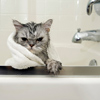 If your cat develops odor or grim within it’s fur, it is important to wash your feline friend shortly after. As much as they may resent you for a shampoo rinse, it will be better for your home in the long run.
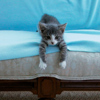 If your cat’s favorite spot is the couch, be certain that you’ve placed a fabric cover over this piece of furniture. Doing this will dramatically cut down on the amount of hair and dander that can get within the upholstery.