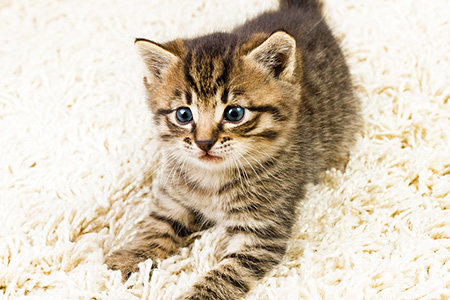
We may love our furry felines but cat pee is one of the hardest smells to get rid of once it has invaded a carpet. The ammonia smell will last long after the initial incident. Whether it was Mr. Friskie’s way of saying that the litter box needed changing or someone was marking his territory, the gagging smell of pee is not something you want to have waiting to tap you on the shoulder every time you walk into your home. You don’t want to be holding your nose when you come in the door.
Unfortunately, once a cat starts peeing on the carpet, the critter will likely repeat the behavior. Unless you nip this P.U. problem in the bud, you will be stuck dealing with it over and over again. The more often the carpet gets wet, the more likely the smell will penetrate into the underpad. The urine may even reach the subfloor, which will cause an even bigger (and more expensive) mess to clean up. Choose a solution that attacks the stink issue by getting down into the carpet to neutralize the smell. We have some great suggestions for your consideration.
How to Get Cat Smell Out of Carpet
1 White Vinegar the Smell Out
White vinegar is a good solution to the problem of getting kitty smell out of your carpet for a couple of reasons. It will get the smell out of the carpet and act as a deterrent against future incidents. The vinegar may be applied either straight or diluted to the carpet to get rid of the smell. You can also place a bowl of white vinegar on your carpet near the spot where you have done the cleaning job. The cat will be repelled by the smell and is not likely to return. You can leave the bowl of vinegar in place for a few days to discourage kitty from returning to the same spot in your carpet.
2 Vinegar-Baking Soda-Peroxide One-Two-Three Punch
This solution to involves using three steps to getting the cat smell out of your carpet. First, mix up a 50/50 solution of white vinegar and water. Pour it onto the carpet and allow it to penetrate deep into the carpet fibers. Blot the carpet with paper towels to dry the surface as much as possible. A wet/dry vacuum cleaner may be used for this purpose as well. Sprinkle a handful of baking soda over the area. Mix 1/4 of a cup of 3% hydrogen peroxide with one teaspoon of liquid dishwashing liquid. Drizzle or spray the liquid over the baking soda. Work the liquid and baking soda into the carpet with a scrub brush, tooth brush or your fingers. Allow it to dry. Once the carpet is dry, vacuum up the baking soda. Use a hard bristled brush to remove it from the surface of the carpet. You should be left with a fresh-smelling floor.
3 Enzyme-based Cleaners from the Pet Store
Pay a visit to your pet store to check for solutions to your kitty smell problem. The staff can point you in the direction of some enzyme-based cleaning products. Nature’s Miracle is one popular brand but you may also want to try PetZyme to get the smell out.
4 Get Rid of It with Norwex Odour Eliminator
Norwex is a Norwegian company that has been in business since 1994. Its Odor Eliminator will get rid of all kinds of gnarly smells, including cat pee, from carpets. Use one part Odor Eliminator to seven parts water. The product is available from one of the company’s independent sales consultants.
5 Listerine and Hot Water the Problem Away
Add a few drops of Listerine mouth wash to a copy of hot water Pour it onto your stinky carpet. The alcohol in the Listerine is a disinfectant, and will get rid of the smell in your floor covering.
[contact]
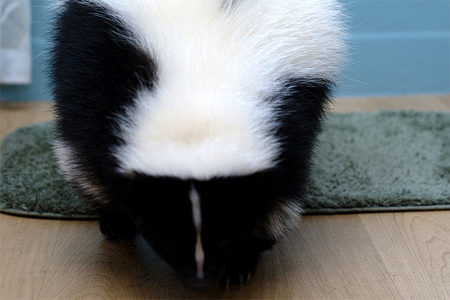
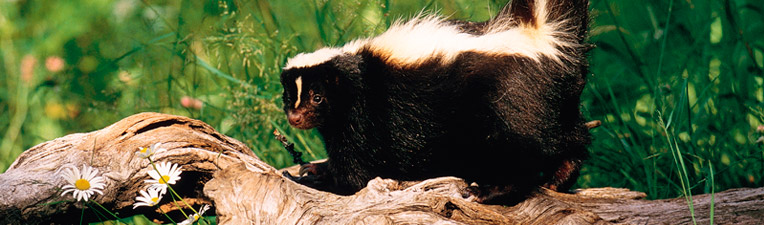
 As a preliminary action, you will want to move any affected items or pets that may have come into contact with a direct spray of a skunk outside. It is important that you treat these as if they are hazardous material, because the skunky scent can spread into any surface that it contacts. Once these affected items are moved outside you can narrow your focus to deodorizing the carpeting.
 After skunk oil has touched the carpeting, you will be in a race against time to prevent the odorous skunk oils from permanently setting into the fiber. Take swift action to treat the carpeting to ensure that it does not settle in for more than 1-2 hours before drowning the fiber within a deodorizing solution.
 Once you have taken note of the above principles, you will need to create a homemade de-skunking concoction. This is accomplished by mixing one quart of 3% hydrogen peroxide, 1/4 cup of baking soda and one teaspoon of dish detergent. This will cause a foaming chemical reaction as the acid and base some into contact. Finish this solution but mixing in another quart of water. Proceed to pour it over the affected carpeting and scrub the fiber. The dish detergent will help to break down the skunk oil while the hydrogen peroxide cuts through it and the baking soda absorbs it. Allow the solution to soak in for 2-3 hours before blot drying the solution with a hand towel from the freshened fiber.
 The use of an enzyme carpet cleaner can be especially effective for difficult skunk oil odors within the carpeting. Once purchased, the enzyme cleaner can be poured over the affected carpeting until the fiber and underlying padding has become drenched. Allow the enzyme cleaner to slowly eat through odorous organics during the net 24-48 hours. Once this time has passed, the deodorizing compound can be blot dried from the carpeting allowing the remaining moisture to air dry away.
 As an added freshening effect, the use of baking soda powder can work to absorb much of the difficult odors. After applying one of the above compounds, proceed to sprinkle heavy amounts of baking soda over the carpet fiber. Allow the baking soda to sit for 24-48 hours as it works to absorb any residual odors from the carpeting. Once completed, vacuum the powder from the freshened carpeting.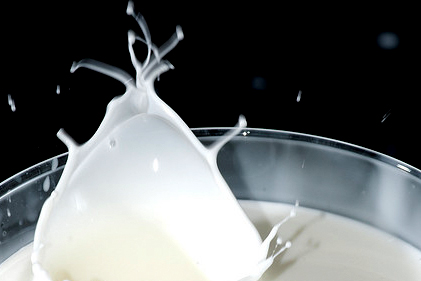

 As a preliminary step, you will want to blot as much of the smelly milk out of the carpeting as possible. While preforming this action, you will want to place you entire body weight behind the press increase your effectiveness in extracting the sour smelling moisture. Once dried, you will need to pour additional water on this location to soak the affected spot and dilute the remaining milk residues. Finish this step by pressing drying this location again to extract the watery milk mixture from the carpeting.
 As a secondary step, shampooing the carpeting can be performed to properly lift any remaining sour milk debris from the carpeting fiber. Apply a few teaspoon of shampoo to the affected carpeting and pour water on the location to properly moisten the spot. Begin rubbing the location and allow the suds to properly lift any unwanted residues. Finish by blot drying the location, pouring water and then blot drying until no shampoo evidence remains. Often, performing these two steps are all that are required to wipe out minor sour milk odors.
 When smells remain after applying shampoo, the use of white vinegar can help ensure that elimination of any remaining sour stench. Mix a solution of one part white vinegar with six part warm water and pour it over the affected carpeting and underlying padding. Allow this deodorizing mixture to soak within the carpeting for 3-4 hours before lifting before returning to blot dry the area of application. Finish by opening the windows to allow the carpeting fiber to dry out at a faster rate and ensure that any aroma of vinegar will be erased upon evaporation.
 After applying a deodorizing compound, you will need to make sure that no moisture exists within the carpeting. Getting the area dry quickly is extremely important as this will help to assure that mold spore will return to the carpeting. To ensure a quick drying process within the carpeting, you will either need to run an area fan pointed at the location or a dehumidifier within the room. Although a dehumidifier is much more effective, a fan can usually work as a substitute when one is not readily available.
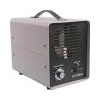 As a final solution when nothing else has worked, the use of an ozone machine can help to ensure that any remaining musty odors within the carpeting are wiped out for good. Take extreme precaution to avoid running it while anyone is spending time within the home. Misuse of this machine can cause several negative health implications or even death. As a final advisory, be sure to open all of the windows after the machine has run and do not breath the air inside until there has been sufficient time for the home to air out.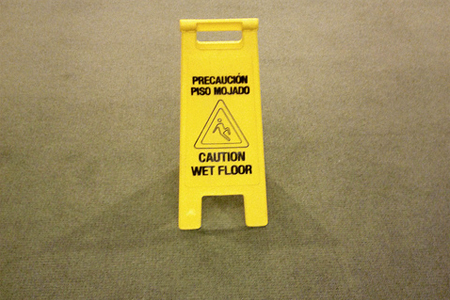
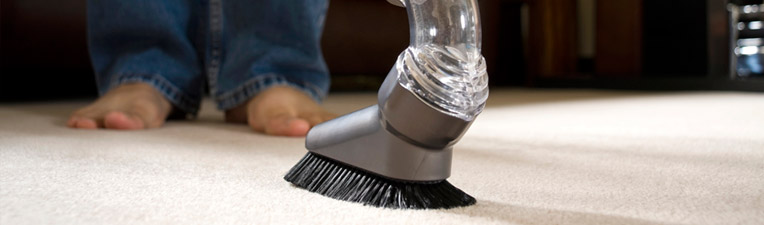
 Although there may already exist some level of mildew within the carpeting, it is important to treat it quickly before it becomes much worse. Mildew has a way of continually growing with time if given the proper environment to grow. This is why it is very important to quickly remove the moisture within the carpeting in order to eliminate the source that mildew relies upon.
 In order to dry the carpeting, you will first need to blot dry the carpeting with a clean dry towel. For best results, place your full body weight being the towel to draw out as much moisture as physically possible. Once no additional moisture is being pulled from the carpeting or underlying padding by towel, it will be time to setup an area fan that will be set to be aimed at the mildew area of the carpeting. Drying the carpeting before treatment is important because smells often can go away once it has become completely dry.
 In rare cases where blot drying and running a fan next to the moistened carpeting is not successful at drying the carpeting and underlying fiber, a dehumidifier can be used to pull any remaining moisture from the location. This will also help to ensure that all mildew within this dies out for lack of viable carpet moisture to propagate from.
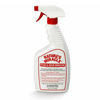 Using an enzyme cleaning spray is often the best solution for smelly carpeting fiber. The active enzymes within this solution will go to work in eating through any odorous organics in the carpeting to return it to normal. Proceed to generously spray down the carpeting fiber and allow the product solution to soak in for the next 24-48 hours. After this time has passed, the windows can be left open to allow for faster evaporation.
 The citric acid within lemon juice will also go to work in cutting through difficult odors to leave the carpeting smelling fresh. Mix a solution of one part lemon juice with five parts water inside a generic spray bottle. Proceed to spray down all of the affected areas of the carpeting with the solution and allow the following 1-2 days for the solution to naturally air dry away.
 If you are able to part your car within a location that has direct sunlight and the safety to leave windows completely rolled down, it can have a powerful deodorizing impact on the car’s interior. Make sure to leave your car to sit within the sun for a minimum of 8 hours. The fresh air and direct UV rays will help to neutralize the odors and carry them away.
 When all else fails, you can take your car to the cleaners and have the interior carpeting treated by professionals. Similarly, this works as a fast solution that requires very little time on the part of the owner. If you are working on a short timetable or with a bad enough odor, consider using this option to treat the car’s carpeting.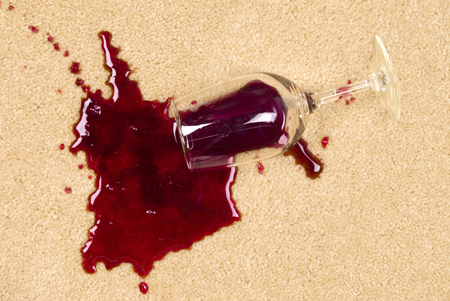
 This solution works for more than your sanitizing your kittens droppings. Sprinkle a heavy amount of unused cat litter over the location of the accident. Provide 2-3 days for the solution the absorb any remaining odors before returning to vacuum the pet product from the carpeting. Be sure to vacuum thoroughly as the product can get deep down within the carpeting fiber.
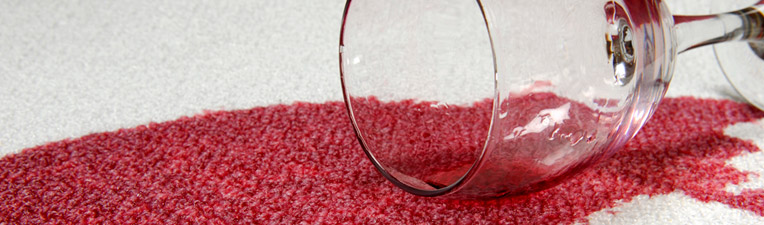
 If you have not had luck with the above methods, you may consider renting a carpet cleaner to treat the wine-related odor. Carpet cleaners work well at getting deep-down within the carpeting and underlying padding to clean and deodorize spills. Also, many carpet cleaning rental locations offer enzyme cleaning solution that works within the device. This is an effective way of giving the machine an extra boost over the traditional shampoo.
 While it may sound crazy to treat a wine odor with vodka, this party drink has been used for generations within eastern europe for its deodorizing properties. The alcohol within vodka cuts through difficult odors and leaves the affected areas smelling fresh. Mix vodka and hot water within equal parts and pour within a spray bottle. Proceed to spray down the affected area of the spill and provide 3-4 hours for the solution to settle in before returning to blot dry the location.
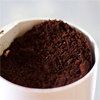 Coffee grounds can be used to absorb odors from a variety of spills. Place a paper towel over the affect area of the carpeting and pour a hefty amount of coffee grounds of the the location. Provide 2-3 days for the coffee grounds to slowly absorb the odor and replace it with the subtle aroma of morning brew. Please note: This solution is meant to treat the odor and not the spill itself. When applying this solution the affected area of the carpeting should be dry. If the area is wet, the is potential for the coffee ground to stain the underlying carpeting.
 The alcohol within rubbing alcohol works well at sterilizing organics and neutralizing odors. Create a formula of rubbing alcohol and water in equal parts, and pour it over the location of the spills. After 24 hours has passed, you can blot dry any remaining moisture from the carpeting.

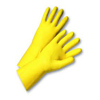 When dealing with urine it is a good idea to wear cleaning gloves to shield your hands of bodily fluids. If an old pair is available this would be preferable to many people preferring not to use a pair after it have been soiled by urine.
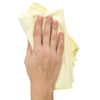 Before you can clean the carpeting you will want to lift as much of the urine up as possible. Using a cloth blot the location of the urine while using your entire body weight to press the moisture out of the carpet.

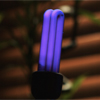 Cat urine is often smelled before it is visibly found within the carpeting. Since the odor can often be challenging to find, it is recommended that you employ the use of a black light to locate the spot of your feline’s accident. Shut all of the blinds within the house, and survey the rooms in which the odor is coming from with the black light. Using baking soda, mark the locations that need treatment and open the blinds up to begin working on the spots.