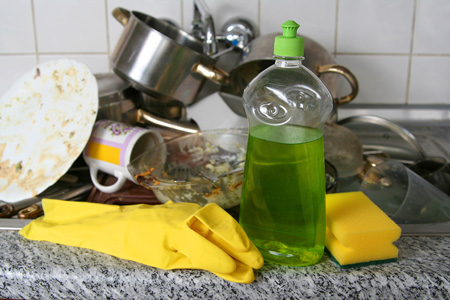
If you have ever heard the expression, “everything but the kitchen sink,” you’ll appreciate that this part of your house gets a lot of use. It is exposed to a cornucopia of potential P.U.-forming items every day. Potential causes of stench include food, hand soaps, cleaning products, and the dirt that we are trying to remove from our foods and ourselves. No wonder we walk by and sometimes feel like we are next to the garbage pail! The sink can start to take on the pungent smell of dirty garbage, and you probably aren’t going to hang around to decide whether it’s rotten eggs or decaying vegetables that is making your stomach start to churn. At that point, the exact makeup of the stench doesn’t really matter. You just need to read this guide on how to get rid of smell in kitchen sink and take action accordingly.
The issue with a kitchen sink that is smelling less than pristine has to do with food and assorted gunk sticking to the sides of the pipes under the sink. Over time, the stuff in your plumbing just sticks to the insides of the pipes. It forms a breeding ground for bacteria that moves in and multiplies. Once that happens, you can count on the smell factor going up in your kitchen. By the time you start to notice the fetid smell coming from under the sink, you have some major bacterial growth on the go.
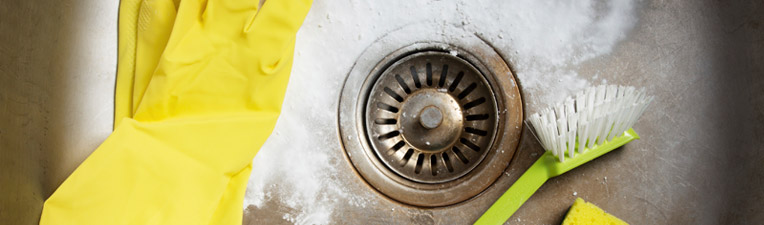
How to Get Rid of Smell in Kitchen Sink in Garbage Disposal
1 Baking Soda in the Garbage Disposal Solution
 If the smell is making your eyes water every time you get near the sink, grab a box of baking soda. Start by dumping half a box into the garbage disposal drain. Let it sit for 5-10 minutes. Rinse with water, without turning on the garbage disposal.
2 Baking Soda and Vinegar Fizz
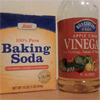 If you want to up your game when getting rid of kitchen sink stink, try a one-two punch of baking soda and vinegar. Start by pouring a cup of vinegar into the drain. Follow up with a cup of white vinegar. Be prepared for some major foaming action as the two products start working; this will last for 30-40 minutes. Rinse thoroughly.
3 Citrus Out the Smell
 You can get rid of the smell from your kitchen sink by adding some citrus fruit to your garbage disposal. Try quartering a lemon, orange, or lime and throwing it in. Run the unit with a trickle of water and let it grind the fruit away. Your sink should have a fresh scent to replace the grunginess.
4 Disposer Care it Out
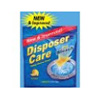 Disposer Care is a specialty product formulated to scrub out the waste that accumulates in garbage disposals. Once applied, it foams up to get into every little nook and cranny to leave this kitchen appliance clean and lemony fresh. You can find Disposer care at a number of retailers or buy it online.
5 Long Handle Scrub Brush and Cleanser
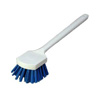 Get a scrub brush with a long handle and the type of cleanser you normally use for cleaning your sink. Apply the cleanser to the brush. Stick the brush into the disposal and give it a good scrub. Rinse thoroughly. Repeat the process until you don’t see any more gunk coming up when you remove the scrub brush. Follow up by pouring a liquid all-purpose cleaner into the disposal and running it.
Get Rid of Kitchen Sink Smell: No Garbage Disposal
1 Unblock Your Pipes with Liquid Drain Cleaner
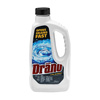 The eww smell in your kitchen may be caused by a partial blockage in the pipes under your sink. Food and gunk gets trapped in there and starts to rot, leading to the stinky situation. Liquid Plumr or Drano can deal with this problem. Use these products as directed, and never mix them with bleach or ammonia.
2 Buttermilk the Smell Away
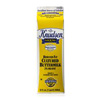 If you don’t like the idea of pouring chemicals down your drain, here is a natural solution for getting rid of the stink from your pipes. Pour some buttermilk down the drain before you go to bed. The enzymes in the product will go to work as you sleep attacking and neutralizing the nasty stink.
3 Snake Drain Hair Removal Tool Solution
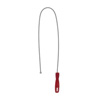 If you don’t mind rolling up your sleeves and holding your nose, you can invest a relatively small amount of money and going DIY to solve the problem of a stinky sink. To use this chemical-free solution in your sink, simply slide the snake into the drain, twist it and pull it out. It will work to remove the clog instantly.
4 Bleach it Out
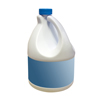 Liquid Bleach can get rid of all kinds of nasty smells in your sink by killing the germs that cause odors. Start by filling the sink with water, then add a half cup of bleach. Drain the sink and let the bleach work its way through the pipes to attack the stank where it lives.
[contact]


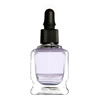 One option to neutralize nail polish smell is to apply a cuticle oil to the nails. You have a number of options to choose from, including products that can be applied with a pen or a stick. Some manufacturers provide an applicator that looks like a fine brush. As a bonus, these products may contain anti-fungal or antibacterial properties that will keep your nails free from diseases or disorders that can cause them to dry out.
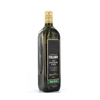 Go to your kitchen and grab some olive oil if the smell from nail polish is getting to you. Apply it to your nails and leave it on for about 10 minutes. Wash your hands. This strategy should eliminate the smell from the acetone.
 You will want to get some fresh air into the space right away when the nail polish smell is most pungent. Open a window to allow the stink molecules to dissipate. If the weather is cold, you may want to limit opening the fresh air opening to a short time (10 or 15 minutes) but this may be enough to do the trick.
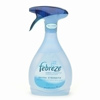 Grab some air freshener and use it to neutralize the smell from the nail polish. Check the label before you press the button to make sure you will be eliminating the stank and not just covering it up with another smell. Febreze Air Effects and Lysol spray are advertised to offer this benefit, and may be a better choice than a less expensive brand.
 If you have an overhead fan in the room, turn it on to get some air circulating in the room. Make sure the door is open as well to get the air flowing through the room. You don’t want the stink to stay trapped in a confined space any longer than necessary. A floor model fan will also help to get things moving along and out out the room so that you can breathe easier.
 Put a bowl of fresh coffee grounds in the room to absorb the smell of nail polish from a room. Stir the coffee grounds daily until you don’t notice the smell anymore. For best results, use a glass bowl.
 Put your nail polishes away as soon as you are finished painting your nails. Even if you replace the lids right away, you will still be able to smell the product in the room. A good place to store the stuff and keep the stink to a minimum is to put them in the refrigerator. This strategy also helps to keep your nail polish fresh so that it will last longer.

 One way to deal with the whole stinky foot concept is to give your toots a thorough cleaning. Wash them with an antibacterial soap.You may want to scrub toenail area with a nail brush as well. Make sure you dry your feet thoroughly when finished. Your goal is to keep your feet dry to avoid giving bacteria a place where they can breed.
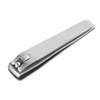 Adopting some regular grooming routines can do wonders when it comes to keeping the smell monster at bay. Make a point of clipping your toenails regularly to keep them neat and tidy. This is another effective strategy to keep bacteria from multiplying under your nails. If you find the nails hard to cut, soak your feet in some warm water first or look after this ritual immediately following a bath or a shower. The warm water will have effectively done the work to soften the nails.
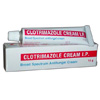 Try applying an anti-fungal cream to your feet to keep the funk down to a manageable level. You will be able to find one for athlete’s foot at a drug store. Read the instructions and use as directed. A pharmacist will be able to answer any questions you may have about these types of products before you make your selection. If the problem persists or gets worse, you may need to see a doctor.
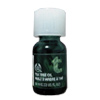 To get rid of the the smell from under your toenails, take some tea tree oil and soak a cotton pad. Place it on your toe and secure it in place with waterproof tape. You will need to leave it on for a couple of days. The tea tree oil should take care of the stink, but you can reapply it for another couple of days if necessary. Since tea tree oil has a strong smell, you may want to leave this solution for a time when you will be staying home for a few days. Some people don’t like the smell of tea tree oil and if this applies to you, you may want to skip this solution and try one of the other ones on the list instead.
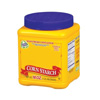 Keeping your feet dry may help to keep them smelling more like roses than the stuff you put on roses to make them grow. Sprinkling some corn starch on your feet will do the trick and it won’t irritate your skin. Rub it into your skin, including the area under your nails, as a preventive measure. This is a safe and economical solution to the problem of how to get rid of smell under toenails.

 Applying some rubbing alcohol to the area behind your ears is an effective way to get rid of smell behind ears. The alcohol can cut through any residual oil and it evaporates very quickly. Both of these are points in its favor. Use a facial tissue or cotton pads to apply it once or twice per day and wipe the area gently to remove any buildup of oil and dead skin that may be a breeding ground for bacteria that can lead to a stank issue on your skin. Avoid using rubbing alcohol more often, since you don’t want to dry out your skin.
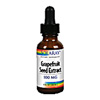 Essential oils may help to get rid of smell from behind ears on a temporary basis, but it will come back eventually. A much better choice is to dab some grapefruit seed oil in the spot behind your lobes to freshen up your skin. All you need to do is place a drop on your finger and rub it in. If you find the substance a bit irritating on your skin, dilute it with a drop of vegetable oil before applying it to the affected area.
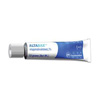 If you have tried to deal with the issue of smell behind the ears with the other suggestions listed here and have not been able to solve the problem, a visit to the doctor is in order. He or she may prescribe Altabax ointment. This antibacterial skin ointment is used to treat impetigo and may be needed to deal with the cause of the stink.

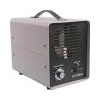 Be sure to clean the interior of the car thoroughly before you run the ozone generator. Any trash or personal belongings should be removed beforehand as well. If the unit you choose does not come with a flexible duct, you will need to attach one before you run the machine. You can use a dryer duct for this purpose. Duct tape can be used to secure it in place.
 It’s possible the crayon smell in your car is coming from the type of fuel you are using. Have your oil and filter changed to see if that improves the situation. Using a premium gas in the tank may help to improve conditions in the passenger cabin, even though it will cause a ding in your wallet.
 If you notice a crayon smell in a new vehicle that is confined to a certain area, such as the trunk, it may be due to a particular type of solvent used during the manufacturing process. If too much was used, it can give you a momentary flashback to kindergarten (since scent is tied to memory) and not everyone wants to go there when they have long since graduated into their big boy and girl panties. The solution may be covered under a new car warranty, and it worth discussing with the dealership to find out whether this is the case.
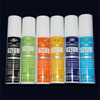 Ozium is available online and retailers. It’s an aerosol deodorizer that you spray inside the car to eliminate odors of all kinds, including crayon smell. This stuff is also used in hospitals to deal with things not usually discussed in polite company so we’re confident it can deal with the crayon issue in a vehicle quite effectively. Just follow the directions on the can and make sure you are using it in a well-ventilated area for best results.
 Synthetic fabrics should not be dried on high heat. You may be tempted to crank the heat up so that you get this necessary, but boring chore out the away asap so you can move on to other things. We’ve all done it, but you are paying the price if your laundry is not coming out April Fresh. Taking the time to sort your clothes and drying anything that is not 100 percent cotton or another natural fabric on a lower setting can help to eliminate the problem.
 Leaving clothes in the dryer a bit too long can also lead to the burnt crayon smell. Rather than trying to bake them in there, take them out when they are a bit damp and hang them up to dry.
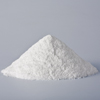 Add a half cup of baking soda to the rinse water in your washing machine. It is a natural and economical deodorizer that should get rid of crayon smell from a previous load of laundry.
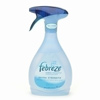 Febreze Odor Eliminator is formulated for use in your wash. It will eliminate smelly stuff like B.O., smoke, cooking odors, and crayon smell from your clothes.

 This one makes about as much sense as anything else, so here goes. The actress stated, “If you eat Chinese food, your farts come out like Chinese food. If you eat Mexican food, your farts come out like Mexican food. And milk, it’s like—you can smell the warmth in the fart. My wardrobe on Transformers always smells like farts, and I have no idea why.” The last part was a bit too much information, but if you have just finished eating Chinese food and you fart, you may have Chinese food on the brain, so everything is going to smell like Chinese food. At least according to Megan Fox, who we know wouldn’t steer us wrong.
 The bacteria help the body to break down the food more efficiently. As they get on with this important and necessary work, the bacteria produce gas as their own waste product. When the food breaks down, it also produces its own gaseous cocktail of hydrogen, carbon dioxide, and methane. Fart gas also includes some oxygen and nitrogen from air that we swallow, which makes sense.
 If you want to avoid the problem of stinky farts, stay away from red meat, cabbage, and eggs. They tend to wind up creating a major stink-fest in your digestive system. Beans get a bad rap for creating farts, but they don’t tend to be really bad on the stink-o-meter.
 The tell-tale sound that the passing of gas makes is due to vibrations of the anal opening. The amount of sound depends on a couple of factors: the tightness of the sphincter and the velocity of the escaping gas.
 This is from the don’t try this at home file: If you could go into space without a protective suit (and we know that is not a good idea) and you let a really good one rip (because how often do you get to cut the cheese in space), your sphincter burst would generate enough pressure to propel you forward.
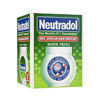 Neutradol is billed as “the World’s No.1 Deodorizer”, and it can probably take on the big stench caused by one itty bitty rotting rodent. This product comes in a gel format. All you need to do is remove the lid and let the formula go to work to neutralize the smell. Place it anywhere you are noticing a foul smell for a no full, no muss problem solver.
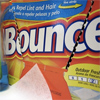 The problem with a dead mouse in your duct work is that the smell dissipates through your house when you turn on the heat. Placing a Bounce sheet in your hot air vent can help to give you a fresher scent until the body breaks down and there is no longer anything to stink up your place. The mouse smell will naturally go away in time. Until then, grab a box of fabric softener sheets and try to mask the stench.
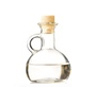 You can freshen your home by filling up some cups with white vinegar and placing them in various locations. The vinegar will cover up the rotting smell, but you will need to replace it every couple of days until the stink has completely gone.
 The issue with a mouse that has died under your walls or floor boards is that it isn’t often practical to rip them out to go on a search and recovery mission to find the little critter. Even if you could get into a space to try to find where the body is located, you may not be able to find Mickey or Minnie Mouse where you think he or she is. If you have a radiator in the room, try cracking open some liquid room freshener and dripping it into the holes where the pipes go into the floor. It may reach the stinky spot and solve the problem.
 If you think you know where the mouse is resting but you can’t get to it, another solution is to drill a small hole in the wall approximately one foot above the floor and pour a disinfectant or an odor neutralizer into it. For best results, use a squeeze bottle that will allow you to spray the liquid in all directions in the wall cavity. Plug the hole after you are finished. Be sure to seal off any cracks in the area that are allowing the smell to escape into the room.
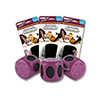 The name says Fridge It, but this product can be used to get the smell out of many other parts of your home. These deodorizing wafers are sold in 6, 12, and 24 packs. Simply place the wafer close to the source of the smell and it will start working right away. This is a safe and allergy-free solution to the problem of dealing with rodent carcass stank.
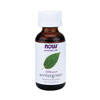 To get dead mouse smell out of the confined space of your car, sprinkle a few drops of wintergreen oil on a cotton ball and place it in the vehicle. This solution is very inexpensive and should keep your ride sweet smelling for several months.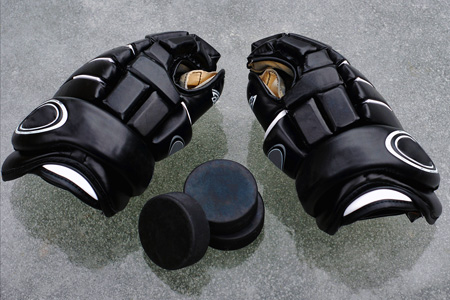

 No bacteria will be able to stand up in the face of ammonia. Soak your gloves in an ammonia and water solution before washing them as usual to get rid of the ammonia smell, which will create a different set of issues for you than the standard hockey glove stank.
 Spray the gloves with Lysol spray and let them air dry. Keep in mind that a little of this stuff goes a long way, though. If you use too much of it, your hands will end up smelling like Lysol after your next game. Go for a short burt of the spray instead of bathing your gloves in. You can always come back and spray them again later on if you need more germ-killing action.
 Pick up some medicated powder at the drug store and apply it to your hands. You’ll want to be sure to choose the type that is formulated for athlete’s foot and jock itch. It may be a bit messy but will kill the bacteria on your hands and will help to keep your gloves fresher. A couple of dashes will do the trick and you can simply shake off any excess.
 Fresh material in the gloves should help to lower the stink factor. Before making a decision, consider the cost and the hassle of finding someone to perform this function as opposed to buying a new pair.

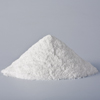 Keeping the cast dry will help to keep the stink factor down. Your doctor will no doubt give you some instructions about how to bathe or shower while the cast is in place. You may need to put a plastic bag over the cast or make a point of keeping your arm or leg outside of the tub while you are getting clean. Even with precautions, some moisture may find its way into the cast, and start to stink. One way to absorb moisture and stop this cycle is to apply baking soda to the surface of the cast. Shake off any excess and reapply as needed.
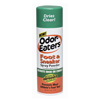 Odor-Eaters contain activated charcoal as their main ingredient, which is a well-known solution for dealing with all kinds of smell issues. This solution may seem a bit unconventional, but try taping the shoe liners to the surface of the cast. You will want to put the dark side down toward the surface of your cast. If you decide to go with this solution, you will want to choose a time when you don’t need to go out in public (unless you want to answer questions about why the liners are on the cast and not in your shoes, and that could be just a tad awkward).
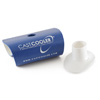 CastCooler is a product that was developed to deal with stinky casts by eliminating moisture caused by perspiration. Simply moving around while wearing a cast creates an ideal breeding ground for bacteria, which provides the potential for all kinds of funkiness in the cast material. The CastCooler can also be used to dry the cast quickly if it accidentally gets wet. This specialty product is used to keep the fiberglass cast’s lining dry and odor-free.

 Unless the fabric of the quilt is especially fragile, you should be able to wash it in the machine on the gentle cycle. Use a mild detergent made for delicate fabrics to be on the safe side. Dry the quilt on low heat. This may be all you need to get rid of the offensive odor.
 Add a half cup of vinegar or baking soda to your wash water to banish odors from a quilt. Use a mild detergent, and add some fabric softener if it is part of your regular wash routine. Dry the quilt using one of the methods mentioned above for best results.
 This solution for dealing with a fetid quilt involves taking it to the Great Outdoors. After washing and rinsing the quilt thoroughly, place it on top of a plain white sheet on a patch of grass. Put another sheet on top of the quilt and leave them in place until the quilt is completely dry. You’ll have to find something to anchor the quilt and the sheets in place so they don’t blow away. Apparently, the chlorophyll in the grass will absorb the nasty odor.
 This is another no-wash way to freshen up a quilt that is stinky. Give it a light spray with vinegar or lemon juice. (You don’t want to douse it like you’re having a fish and chip dinner, though. ) Set it outside in the sun to dry. Letting the fresh air get at it should help to lift out the stank and give the quilt a new lease on life.