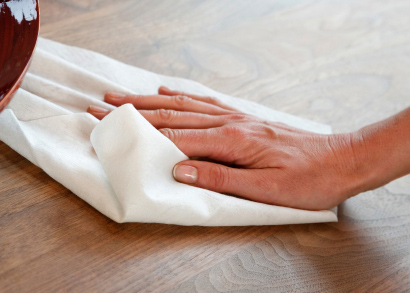
This natural material is used in a wide range of decors and is known for it’s innate stability. Due to it’s long-lasting endurance, it is not uncommon after several years for wood to develop a unusual musty smell, characteristic of many antiques.

Often this smell is accepted as a side effect of owning aged wooden decor, however if you would prefer to to avoid the musk of a retirement home, their are alternatives. In this guide we will review several techniques and tips for the removal of such aged odor, and increase your odds of getting it fresh into it’s original state.

Musty Smell Solution
Musty smells within wood usually develop after it has been in a dark or damp location, and small trace of mold have made it’s home within the fiber. These traces of mold produce a musty odor, but are usually invisible to the naked eye.
1 Step 1: Bleach
 Mix one part bleach with five parts water in the creation a solution that will eat through any microscopic mold particles. Apply this to the entire surface of your wood item making sure that no area is untouched. This will ensure that the bleach eats through all traces of mold and making sure that it never returns.
2 Step 2: White Vinegar
 Create a solution of white vinegar and water in equal parts. Use a rag to rub this within the wood fiber ensuring that the entirety of the surface is covered. While this air drys much of the unwanted musty odors will be lifted off of the wood.
For an entire guide on removing musty odors from wood, click here.
Mold Smell Solution
This is very similar to musty odors, yet differs in the sense that the mold has become a visible part of your wood. Once it have reached this point, another step is suggested in restoring the wood and eliminating the unwanted mold smell.
1 Step 1: Bleach
As outlined with musty wood odors, it is important to kill off all traces of mold to ensure that the smell never returns. Create the mixture of one part bleach for five parts water and scrub down the entire surface to remove the mold. Be sure to scrub off all visable traces as well as the areas around it have no visual signs of it. Let this entire area air dry before moving to the next step.
2 Step 2: Hydrogen Peroxide
 It is not uncommon for mold to discolor wood after is has been stored within a dark and moist location. Hydrogen peroxide in brightening such discoloration spots, as will as aiding in removing odor and killing any remaining mold spore within the grain. By pouring hydrogen peroxide into a clothe and giving the surface though wipe down, it will help in restoring the wood.
3 Step 3: White Vinegar
As a final step, mix a solution of vinegar and water in equal parts. Apply this mixture to the entire surface of the wood, and allow for the vinegar to neutralize any remaining odors that remain within the fiber.
For an entire guide on removing mold odors from wood, click here.
Smoke Smell Solution
After years of being around cigarettes, wood can develops a very pungent smoky odor. The longer that it goes uncleaned, the more power the odor often becomes.
1 Step 1: Murphy’s Oil Soap
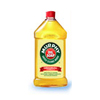 This products works wonders at cleaning wood surfaces and getting unwanted residues out. By applying this to a cloth and rubber this solution into the entire surface of the wood, you cut down the odor and prepare it for the application of lemon oil.
2 Step 2: Lemon Oil
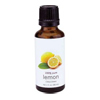 Adding this with citrus does wonders in cutting though smoke odors. By applying this lemon oil to a recently cleaned surface you can be assured that you will be able to eliminate any remaining traces of smoke odors.
For an entire guide on removing smoke odors from wood, click here.
Urine Smell Solution
The ammonia within urine can create an unwelcome odor that is not easily removed. By using the following remedies, you can increase your chances of wiping out these odors.
1 Step 1: White Vinegar
The compound within vinegar works to directly to neutralize the odor produced by ammonia. Create a mixture of vinegar and water in equal parts, and apply the solution to the woods surface to lift off the urine residue and flatten the sharpness of much of the stench. Let moisture air dry and lift off much of the remaining odor.
2 Step 2: Nature’s Cure
 Cleaning pet products like Nature’s Cure introduces active enzymes that work to eat organic materials like urine. By pouring this solution on the area of the accident and rubbing it into the grain of the wood, you can work to neutralize the remaining odor. Enzyme-based cleaning products like this are available at most large super markets and pet stores.
For an entire guide on removing urine odors from wood, click here.
Perfume Smell Solutions
1 Vinegar
Mix a solution of vinegar and water in equal parts. Wipe down wooden surface area that perfume has been spilled upon. After vinegar has been rubbed in, allow the moisture to air dry out, carrying away much of the perfumes smell.
2 Baking Soda
 If perfume odor remains, sprinkle a heavy amount of baking soda on the source of the smell. Allow baking soda to sit for 24-48 hours, before sweeping up the remaining odors leaving a freshened wood surface behind.
[contact]
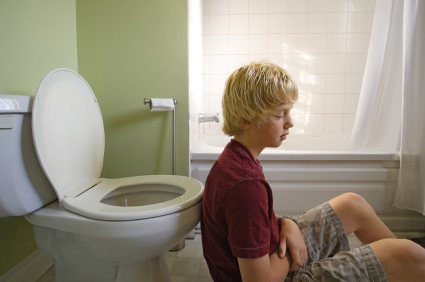

 Once throw-up hits the carpet, you should take action as soon as possible to get the it out. You are in a race against the vomit from setting into the padding located below the carpeting. You will need to use an instrument with a hard edge for this purpose. Spoons are effective tools and help in retrieving the majority of the vomit pieces from the fiber.
 Mix a solution of one part shampoo to four parts water, and pour on the affected carpeting. Scrub this location until all remnants of the vomit have risen and sequentially scooped off with paper towels. This is often a dirty task, but it is important to get all of the bits and pieces up and out of the carpet.
 Mix a cup of club soda and 4-5 tablespoons of white vinegar together and pour over the troubled area of the carpet. Let this sit for 1-2 hours, and proceed to remove the contents of this solution from the carpeting by blot drying with paper towels until the area is dry.
 Pour a cup of vodka on the location of the carpet where the vomit odor is coming from. Vodka works to break down organic compounds and neutralize odors. Allow this area to air dry without assistance of paper towels. If you have an inexpensive bottle, this is definitely worth a try.
 Mix a cup of water with 1-3 teaspoon of laundry detergent, and proceed to pour solution on the location of the carpet experiencing throw-up odor. After 1-2 hours, rinse this area with additional water, and press moisture out of carpet with paper towels.
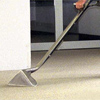 If you have a carpet cleaner, some of the above solutions can still be of benefit before using this household tool. If you do not own a carpet cleaner, you may wish to try some of the above solutions by hand before renting an expensive device.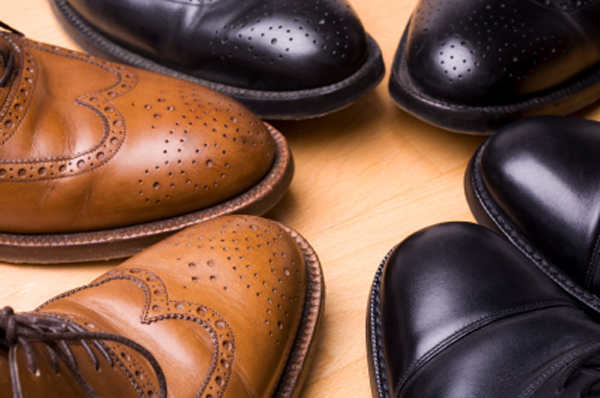

 Though slower than other methods, this solution works great in absorbing odors from the interior of leather shoes. Place two activated charcoal briquettes within both ends of an old pair of nylon leggings. Proceed to place one end in one shoe and the other end deep within the second shoe. Next place this all within a cardboard box or brown bag, and allow for it to sit for 3-4 days. After this time has passed, you can remove the nylon enclosed charcoal from the leather shoes and wear them without any residual odors.
 Crumpled newspaper and vanilla is a wonderful combination for removing odors from leather shoes. Once you have crumpled enough newspaper to fill both shoes, sprinkle light amounts of vanilla extract on the paper before filling the shoes. The newspaper will slowly absorb the odor while the vanilla extract adds a desirable aroma. Keep the newspaper wads within the shoes for an entire day for best deodorizing results.
 This substance works just as well with cat droppings as it does with neutralizing shoe odors. Measure a half cup of clean cat litter and pour within each shoe. Be sure to lightly shuffle the shoes to evenly distribute the contents along the bottom padding. Next, place the shoes inside an enclosed brown bag or cardboard box. Allow shoes to sit for 24 hours before returning to pour out the cat litter and begin wearing the shoes again.
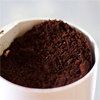 Coffee grounds can absorb odors and freshen by enhancing the shoes with subtitle coffee bean aroma. Pour coffee grounds within a filter and push contents within the footwear to the toe area of the shoe. Allow for the shoes to sit for 24-48 hours before removing the filter containing the grains. Take precaution to avoid spilling any grains within the interior of the shoe as this may cause staining within the padding.
 If the above materials are not available, fabric softner sheets can be used to mask the odor. Place three sheets within each shoe, and leave to sit over night. The leather shoes may still contain a hint of odor, but the majority of the foot stench will be masked by the dryer sheets.
 In the worst case scenarios, replacing the cushioning within the leather shoe is an effective and affordable solution for treating odors within leather shoes. Replacement cushions can be purchased starting at 10 dollars.
 By rotating shoes, you are provide the shoes a daily breather to aerate in-between uses. Less sweat accumulation, means that less odorous bacteria will be living within the shoe. This in invaluable in cutting down on built up foot odors within leather shoes.
 By ritualistically using activated charcoal within your shoes when they are not in use, you can be assured that they never develop an odor. After enclosing the charcoal within an old pair of nylon leggings, the same homemade insert can be used for multiple months before loosing some of it’s effectiveness.

 It may sound silly, but driving with your windows open can introducing fresh air inside your car and provide a lasting impact on reducing the residual smell of vomit. On the short-term, this is suggested for temporary relief until you completely remove the unpleasant bile odor.
 This is a great product for reducing odors and works off similar principles as vodka. If you need to get a larger kick from you bottle, unscrew the top and pour some of the formula over the location smelling of throw-up. This area can be pressed dried with a hand towel hours later after it has made a deodorizing effect.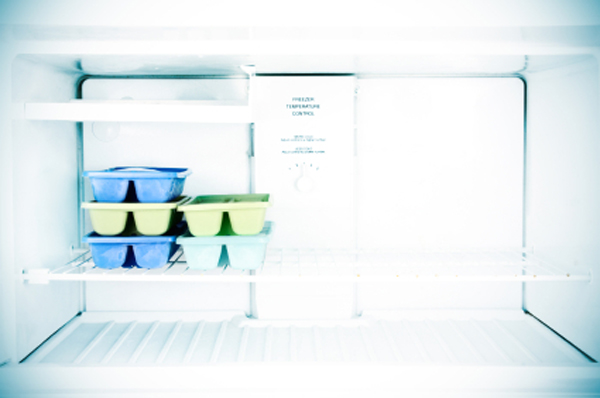
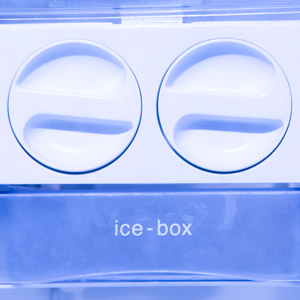

 Mix a solution of dish soap or baking soda with warm water. Using a soft sponge, perform a thorough wipe down of the walls and floor of the freezer, leaving no areas untouched. If the stench is still present after preforming these steps, please move forward with the following solutions.
 Buy activated hardware pellets from the hardware store. Place these pellets on a cookie sheet and proceed to place the sheet inside the freezer. Keep freezer closed overnight while the pellets slowly absorb the stench of rotten food odors. Remove sheet in the morning and consider repeating this method for a second or third night if any odor remains.
 Pour imitation vanilla into a small sauce bowl and dip 10-20 crumpled paper towels within the ingredient. Place the vanilla dipped paper towels within the freezer and close the door to sit over night. By morning, the vanilla will have masked the residual stench and left a soft and welcoming aroma inside the freezer.
 If smell remains after trying all of the above methods, it may be an indication that the odor’s source is located in other parts of the appliance. Often, when the meat decomposes, it’s juices can drip down into the coils and into the freezer’s base. To check for this, flip the appliance on to it’s face and scrub down the coils and base with a bleach mixture if odorous residues are found.
 As a final resort, check to see if any meat juices have potentially dripped inside the insulation of the appliance. Carefully remove parts of the appliance to expose the interior insulation. Wait for a clear day outside, then place the interior insulation in direct rays of the sun. After a few days sitting in the sun, the open space, fresh air and UV rays will help to neutralize the odor.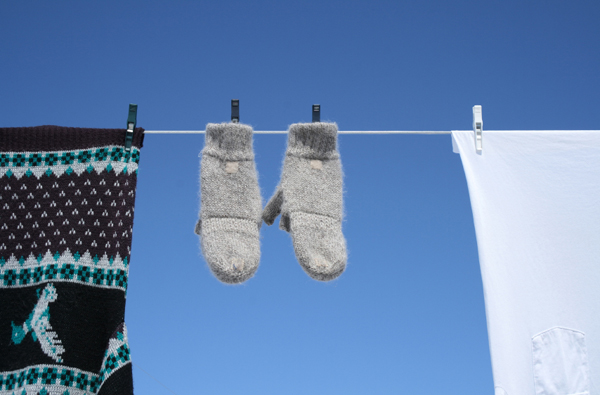
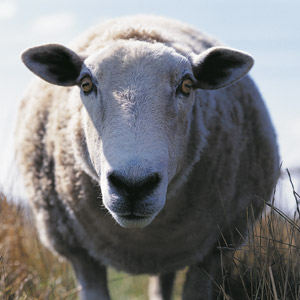

 Take the article of wool outside and pin it up to a clothesline in direct sunlight. Mold spores thrive off dark wet environments, so make sure that the location that you have selected receives plenty of UV rays and is clear of any sources of moisture. If any odor exists after the first day, you may need to hang it within direct sunlight for second or third day until completely deodorized.
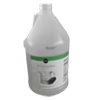 Fill your bathtub with six inches of water and proceed to pour a half gallon of vinegar within the tub. Submerge your woolen textile in the tub and work this household acid water into the fiber. Allow it to soak inside tub for an hour before removing the wool textile to naturally air dry outside.
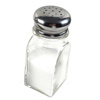 Salt is a natural substance that works well in killing mildew. Before applying the salt, spray lemon juice over the source of the odor until the wool fiber becomes sufficiently moist. Finish by sprinkling liberal amounts of salt on the affected area and rubbing it into the wool.
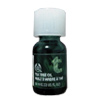 Mix two teaspoons of tea tree oil with 6 ounces of water and pour inside a spray bottle. Hang woolen item outside and spray it down until it becomes sufficiently moist. The smell of the tea tree oil can be quite strong, however it will go away as soon as the wool drys.
 Mix Borax and baking soda in equal amounts. Sprinkle the mixture on the wool textiles and allow the deodorizing homemade compound sit over night. Finish by vacuuming the borax and baking soda particles out of the freshened fabric in the morning.