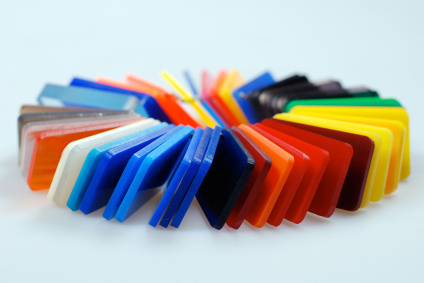
This substance can be found within a wide range of products of daily use. Normally coated with a glossy finish, a simple wipe-down can usually clean and deodorize the material. However, in rare cases where smelly residues have permeated too long, the plastic fiber can develop a long-lasting pervasive odor.
Though challenging, these embedded odors can be removed with the use of several different household compounds. By following the below solutions, you can add freshness back within your plastic product to have it smelling like new.
Smell Removal Solutions for Plastic
1 White Vinegar Wipedown
 The natural acidic compound within white vinegar will go to work in sterilizing the plastic surface and stripping it of any odor. Mix a solution one part white vinegar with three parts warm water within a bowl. Using a clean table cloth, dunk it within the mixture and proceed to wipe down the plastic surface. Allow 20-30 minutes for the solution to air dry from the plastic surface. Please note, that the surface will maintain a characteristic vinegar smell until it has completely evaporated away.
2 Vodka Wipedown
 This alcoholic party drink works wonders doubling as a household deodorant. The alcohol within the solution has the effect of neutralizing odors on the spot and lifting them away odorlessly. Dampen a clean hand towel by pouring a small portion of vodka directly from the bottle. Proceed to wipe down the affected surface area of the plastic making sure to press that deodorizing fluids within any surface cracks of the material. Finally, provide 10 minutes for the alcohol to freshen the plastic and evaporate way before placing your plastic material back within use.
3 Lemon Juice Spray
 The citric acid within lemon juice will go to work in neutralizing odorous residues embedded on plastic surfaces. Mix a solution of one part lemon juice with three parts warm water within a spray bottle, and proceed to mist down the affected surface area of the plastic ensuring that no area is left untouched. Allow the acid to work it’s way in the cracks and sit for 10-15 minutes before returning to wipe the residues clean with a freshly dampened table cloth.
4 Activated Charcoal Box
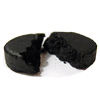 This solution has the unique capability of absorbing odors without dampening the plastic’s surface. If the plastic that you are trying to deodorize is small enough to fit within a enclosed cardboard box then this solution might be for you. Place several charcoal briquettes within an old pair of nylon leggings until the have become adequately filled. Next, place the nylon enclosed charcoal briquettes and the smelly plastic object within an inclosed cardboard box. Allow for the contents to remain within the sealed box for 5-7 days before returning to remove the freshened plastic item.
Remove New Plastic Smell from Plastic
Newly purchased plastic products often maintain a manufactural odor several for weeks following removal from original packaging. In such cases, there are preventative measures to minimize and remove this chemical stench.
1 Outside in Direct Sunlight
 Placing your freshly purchased plastic item outside within direct sunlight will do much to remove odor. The ultraviolet rays, fresh air and open space will all work to neutralize the manufactural odor and lift it away. Place the item outside on a sunny day for multiple days. After 2-3 days the scent of plastic odor should be a thing of the past.
[contact]
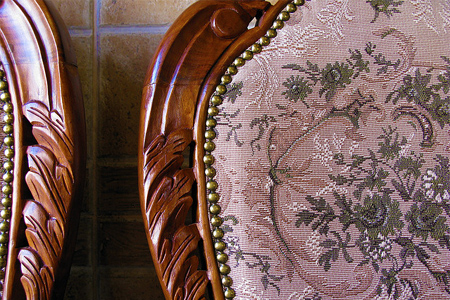
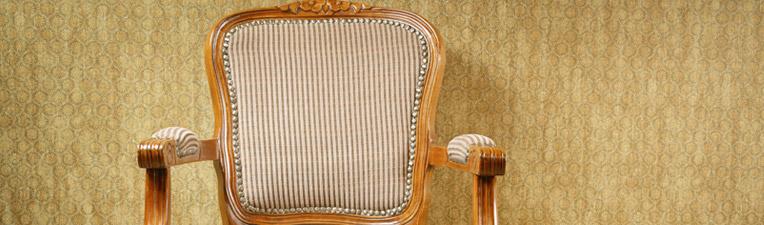
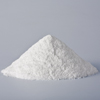 In most cases that involve built up odors within seat upholstery lining, baking soda can work wonders in alleviating the smell. This household powder has been used for decades for it’s unique capability in reducing and absorbing unwelcome odors. To apply, simply sprinkle a healthy quantity of to baking soda atop the affected upholstery and proceed to work some of the powder into the fiber.
 The citric acid within lemons cut through the unwanted odor in nearly any upholstery. Mix a solution of one part lemon juice with eight parts water in a spray bottle and proceed to mist down the affected area. Open the windows within the space and provide one to two days for the lemon juice mixture that neutralize the upholstery stench and evaporate odorlessly away.
 If you can get your hands on an enzyme deodorizing spray, use it. It is available in pet stores and most large supermarkets and will work small miracles as the active enzymes within the solution literally eat though the odorous residues within the upholstery. Spray down the upholstery and provide 1-2 days for the enzymes to neutralize the odor and dry away.
 The use of household product deodorizes can often do the job on short notice. Any thing ranging from glade to febreeze will be likely to mask and often eliminate the odor that is affecting the upholstery. to apply simply spray down the affected area and open the windows to air dry.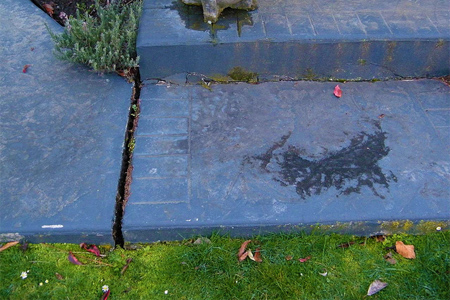
 The chemical compound within bleach works well at cutting through the odorous oils within skunk spray. Mix one part bleach with eight parts water within a large 1-5 gallon tub. Proceed to pour the contents over the areas of concrete affected by the skunk spray and allow for it to sit for 5-10 minutes. Once the mixture has soaked in, proceed to spray down the concrete surface with a hose to ensure that all of the bleach related chemicals are removed from the porous surface. You can finalize this process by spraying down the surface of the concrete with a deodorizing spray of white vinegar and water mixed in equal parts within a spray bottle. As a note of precaution, bleach may cause some bleaching of colored concrete. If your colored concrete has been sprayed, it is recommend that you use one of the alternative deodorizing methods outlined below.
 This deskunking concoction works by combining several household deodorizers to ensure that the skunk oil has no chance of surviving. Begin by mixing one quart of 3% hydrogen peroxide, 1/4 cup of baking soda and one teaspoon of dish detergent within a container and add two gallons of water. Proceed to pour this foaming mixture over the surface of the concrete making sure that area affected area of the concrete is left untouched. After the solution has had 15 minutes to settle in, spray the surface down with a hose to remove all of the chemicals from the concrete. As a note of precaution, the hydrogen peroxide within this solution can potential have some bleaching effects and this solution is not recommended on colored slabs of concrete.
 If you can get your hands on a gallon of enzyme cleaner, it will work to literally eat through odorous skunk spray oil within the concrete flooring. Mix the enzyme cleaner and water in equal parts and pour over the affected area of the concrete at dusk. Allow for the active enzymes within that solution to work their magic over night and the next day until the solution completely evaporates from the concrete.
 If you do not have the makings to create a deskunking concoction, then using hydrogen peroxide by itself can do much to neutralize difficult skunk odors within concrete. Mix a solution one one part hydrogen peroxide with five parts water within a large container, and proceed to pour the contents over the locations of the concrete affected by skunk spray oil. Allow 30 minutes for this solution to soak in before spraying the chemical off with a garden hose. Similar to bleach, this solution is can have some bleaching effects and is not recommended for colored concrete slabs.
 If the skunk spray is proving impossible to remove from the porous concrete, you may want to consider sealing the stench within the concrete. By purchasing and applying concrete sealer on the outdoor slab, you can be sure that the odor will become a thing of the past. As a note of precaution, sealing concrete is permanent and requires some know-how, so be sure to do your research before applying to your effected concrete slab.
 Using motion censor lights will have the effect of making sure that skunks keep a distance from your outdoor patios. When skunks get too close, the flood lights with turn on and will naturally scare the skunks away from the locations near your home. If you are to try this preventative tip, make sure that you place lights in locations to ensure that the patio is fully lit. As well, ensure that the lights are not so powerful as to provoke the wrath of the skunks spray as a perceived threat.
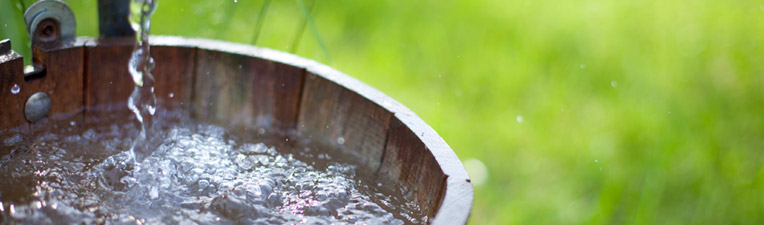

 In the great majority of cases, the smell of sulfur and other unpleasantness permeating from well water is perfectly safe and does not represent a health issue. The smell is most often the result of sulfur bacteria which occurs naturally within the ground. However, there there have been reported cases of sewage leaking into well water that can cause similar odor to sulfur bacteria. In order to be absolutely sure, you can have a sanitary test performed to record levels of coliform bacteria and nitrate within the ground water.
 When it is found that both the hot and cold water carry the same smell of sulfur, it is very likely that the sulfur bacteria has made it’s way within the the well water, water distribution center and water softener. Though the treatment of sulfur bacteria within these areas are not always easy, the following steps can be performed to ensure fresh smelling well water. 1. When sulfur bacteria is found within the well water, water distribution center or the water softener, can be treated by flushing with a strong chlorine solution. Often this is not enough, and the well may need physical scrubbing performed of the interior walls with strong cleaning solutions. 2. If the sulfur bacteria is found within the water treatment device or water softener, you should contact the manufacturer to regarding treatments for disinfecting the devices.
 If hydrogen sulfide gas exists within your ground water, there are several things that can be done to further treat the water to remove the sulfuric odor. If you are dealing with low doses of hydrogen sulfide gas, it is likely that all you will need is an activated carbon filter. If your hydrogen sulfide gas problem presents a problem of 1mg/L – 6mg/L you may need to purchase an oxidizing filter. Finally, the hydrogen sulfide gas is at a reading over 6mg/L you will need to install an oxidation-filtration system.

 Kitty litter has wonderful range of odor absorption. When your kitten piddles on wood, just pour cat litter over the location and allow for it to sit for 24 hours. After a day has passed, sweep it up and enjoy freshened wood.
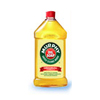 This product works wonders in getting deep down into grain to clean wood and lift out any residual odors. Pour oil soap on the wood’s surface and work within the grain. Allow the product to sit on the wood for a minimum of 24 hours before wiping up any remaining residue.
 If cleaning methods are not effective, vanish can be applied to the wood’s surface to seal the odor within the fiber. Placing two coats of vanish will help to ensure that the odor does not return.
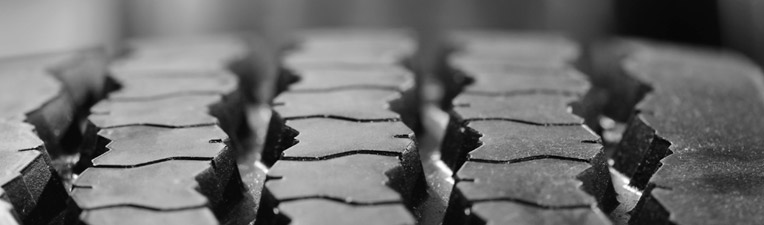
 Fresh air and open space can help in diffusing the smell of this material. Placing the rubber item outside for 1-2 days will reduce the potency of the chemical smelling aroma. As an alternative to placing it outside, you can keep it within a garage or storage place until the smell lessens.
 Peppermint oil does a fantastic job at masking odor within the short-term. Apply some peppermint oil to a dampened cloth and proceed to wipe down the surface of the rubber.


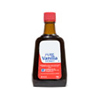 The use of this substance does wonders at covering up smoke aromas. Mix one teaspoon with a cup of water and pours contents within a spray bottle. Begin to spray down the surface of the leather ensuring that it is covered in this solution. Store leather within a dry location with a outside in the shade. The open space and fresh air will work to sweep the remaining odor away.
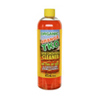 Made naturally from orange peels, this product works great at cutting through tough smoke odors. Spray down the entire surface, and take leather outside within the shade to air dry. Be careful not to place it within direct sunlight to prevent the leather from bleaching.
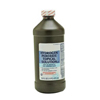 This powerful household ingredient does a great job at breaking down organics. Mix this solution in equal parts with water and apply to the origin of the odor. Scrub this into the fiber and let sit to air dry. A lesser known benefit of this solution is that it will also work to remove any unwanted discolorations or stains caused by the mold.
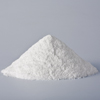 Mix a solution of one part baking soda with 5 parts water to scrub area down. If smell persists, sprinkling baking soda in heavy quantities over this location and leave it to sit for 24-48 hours. Upon competition, sweep powder up and leave freshen wood behind.
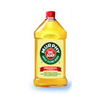 This is a wonderful product for cleaning and deodorizing wood. The oil works well at getting deep within the fiber of the wood and neutralizes odors. To use, pour this product on the location and scrub substance into the wood’s grain. You can lift remaining solution from the surface with a cloth.
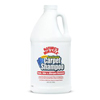 This is another product which works well in cleaning wood. It harnesses the power of active enzymes that actively work to wipe out organic materials like mold. Apply this solution and scrub the product deep within the wood’s fiber. Upon competition, wipe up the moisture leaving wood’s grain to air dry.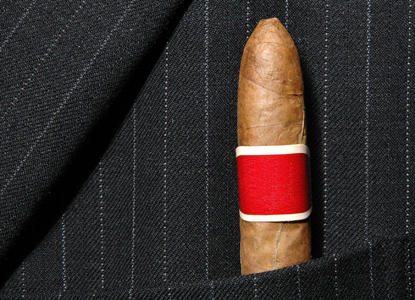

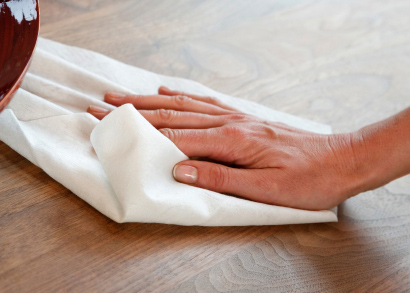


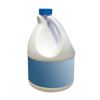 Mix one part bleach with five parts water in the creation a solution that will eat through any microscopic mold particles. Apply this to the entire surface of your wood item making sure that no area is untouched. This will ensure that the bleach eats through all traces of mold and making sure that it never returns.
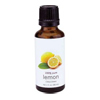 Adding this with citrus does wonders in cutting though smoke odors. By applying this lemon oil to a recently cleaned surface you can be assured that you will be able to eliminate any remaining traces of smoke odors.