After a leak or flood has made it’s way within the carpeting, the moisture must be dried immediately to prevent a moldy aftermath from developing. The stale stench and visual appearance of mold can be unbearable and require attention to make the the affected room livable.
Although it may seems like the damage is irreversible, there are several household remedies that can help to remove the mold and have the carpeting smelling like new. By following the below solutions, you can be sure that your carpeting is mold-free and smelling it’s absolute best.
Smell Removal Solutions for Moldy Carpet
1 Blot + Shampoo Scrub
 Initially, you will want to get as much of the moldy moisture out of the carpeting as possible. Using an old towels, proceed to blot dry the affected locations making sure that you place your entire body weight behind the press so that the maximum amount of moisture can be drawn out. Once this has been accomplished, you will need to mix a solution of hot water and shampoo together and begin scrubbing the musty carpeting. This sudsy foam will help in lifting out any visible signs of mold and temporarily minimize the problem to an odor issue.
2 Drown in White Vinegar
 A white vinegar acidic solution will work to kill any mold spore that are living within the carpeting or underlying padding. Mix a solution of one part white vinegar to five parts warm water and proceed to pour over the affected areas of the carpeting so that the entire mold smelling area becomes soaked. Next, allow this solution to sit and for 4-5 hours while it goes deep within the carpeting fiber and padding to neutralize any mold spore. Once this time has passed, you will need to return to blot dry the location with an old towel to pull out as much of this acidic mixture as possible.
3 Soak Carpet in Enzymes
 If white vinegar has been ineffective at eliminating the moldy odor, the use of an enzyme carpet cleaner can deliver an even deeper deodorizing effect. Enzyme carpet cleaner is available for purchase at pet stores and most large supermarkets. Once you have acquire this substance, you will want to pour heavy amount of it over the affected carpeting to ensure that the carpet fiber and padding become drenched in the formula. The enzymes within the solution will have the effect if actually eating through any organics residues like mold spore that exist within the space. Allow the product to soak within the carpeting for 24-48 hours before return to blot dry as much of the deodorizing compound from the carpeting and padding as possible.
4 Dry Out with Area Fans or Dehumidifier
 After applying a deodorizing compound, you will need to make sure that no moisture exists within the carpeting. Getting the area dry quickly is extremely important as this will help to assure that mold spore will return to the carpeting. To ensure a quick drying process within the carpeting, you will either need to run an area fan pointed at the location or a dehumidifier within the room. Although a dehumidifier is much more effective, a fan can usually work as a substitute when one is not readily available.
5 Run an Ozone Machine
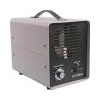 As a final solution when nothing else has worked, the use of an ozone machine can help to ensure that any remaining musty odors within the carpeting are wiped out for good. Take extreme precaution to avoid running it while anyone is spending time within the home. Misuse of this machine can cause several negative health implications or even death. As a final advisory, be sure to open all of the windows after the machine has run and do not breath the air inside until there has been sufficient time for the home to air out.
Photo credit: Adria Garcia
[contact]

 As a final deodorizing compound, bleach can also work to kill mold spore and neutralize difficult odors within the fabric fiber. Mix a solution of one part bleach with eight parts water within a tub and proceed to dunk the mold affected clothing within the mixture. Allow the clothing to sit for 1-2 hours before removing the clothing to place through a normal detergent wash. To add an additional boost, an extra cup of bleach can be added to your detergent wash. Finally, be sure to only use this on all white clothing to prevent unwanted whitening of clothing.
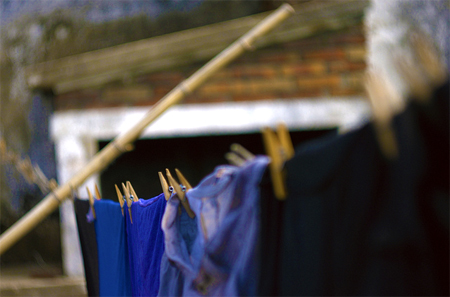
 As a finalizing solution, be sure that you opt to hang the clothing outside within direct sun rather than drying the clothing within a clothes dryer. The ultraviolet rays of the sun will work to kill any remaining mold spore and ensure that the clothing is left smelling fresh. For best results, hang clothing within a location of the yard where it is sure to receive a minimum of 8 hours of direct sunlight.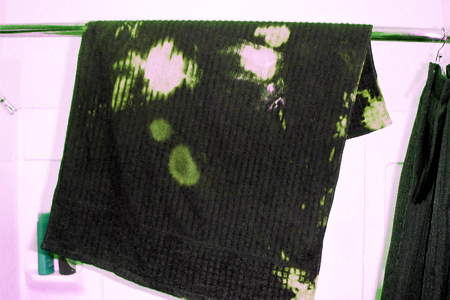
 If white vinegar has been ineffective at eliminating the mold odor, soaking the towels within a solution of enzymes can yield positive results. Fill a bucket with enzyme cleaning solution and water measured in equal parts. Next, submerge the affected towels within the solution and allow them to sit for 4-6 hours while the active enzymes literally eat their way through mold infestations. Upon completion, the towels can be removed and placed through a wash cycle with the addition of 1/2 cup of baking soda.
 This product solution can have a powerful effect in killing the mold and freshening the towels. Again, you will want to mix a solution of Oxiclean within a large bucket and submerge the mold affected towels within the solution. Once completed, place them within a detergent wash that contains the extra addition of a full cup of white vinegar within the cycle.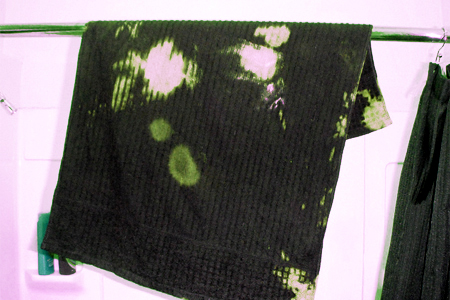

 The first thing you will need to do is access the damage within the room and search out visible mold within the space. Upon your findings, decide whether the mildew odor is associated with a surface are problem or whether it is something deep within the foundation and surrounding walls. In such cases, you the mold’s structural damage may be outside your own grasp and might require the help of a trained professional.
 After scrubbing down all of the surface areas of the basement with white vinegar or enzyme cleaning solution, you will need to move forward with a drying solution. You can accomplish this goal by running a air conditioner on full blast, installing and running a window fan (non-humid locations) or running a dehumidifier. These methods will help in drying the formulas from the basements surfaces and ensuring that the space is no longer hospitable to mold growth.
 If any visible mold was found on the walls, it is important to follow behind the initial treatment with mold killing and sealing paint. Kilz is a popular brand of paint that can work well in covering up the problem to provide a fresh start within the worst areas. To be safe, make sure that all areas around the affected space are painted.
 Once the space have been treated, spend time looking for any wall or floor cracks, moisture leaks, or weeping walls within the space. These problems should be treated immediately if any issues are found. Next you items will be ready to be moved back within the space. Make sure that they have received several days of direct sunlight within the yard and have been appropriately treated with white vinegar. While bringing them back within the space, it is important that they are not placed directly against any of the walls to provide some breathing room.
 If you are finding that the mold continually returns, it may be time to seek out a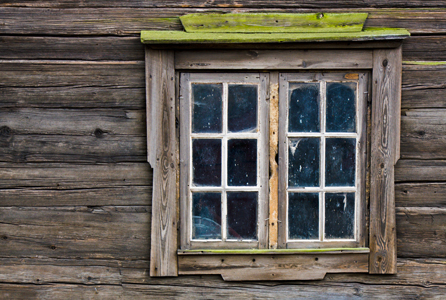
 This is best solution for eliminating a variety of organic organisms including mold. The bleach cuts through wood fiber and works well at sterilizing any surface that it is applied to. Prepare a solution of one part bleach to six parts water within a bowl. Dunk a cloth within the formula and begin scrubbing down the moldy surface. Be sure to wipe off all visible mold growth, while scrubbing down all areas within a few feet of the mold’s location.
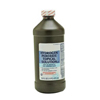 This powerful household ingredient does a great job at breaking down organics. Mix this solution in equal parts with water and apply to the origin of the odor. Scrub this into the fiber and let sit to air dry. A lesser known benefit of this solution is that it will also work to remove any unwanted discolorations or stains caused by the mold.
 Mix a solution of one part baking soda with 5 parts water to scrub area down. If smell persists, sprinkling baking soda in heavy quantities over this location and leave it to sit for 24-48 hours. Upon competition, sweep powder up and leave freshen wood behind.
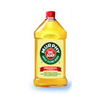 This is a wonderful product for cleaning and deodorizing wood. The oil works well at getting deep within the fiber of the wood and neutralizes odors. To use, pour this product on the location and scrub substance into the wood’s grain. You can lift remaining solution from the surface with a cloth.