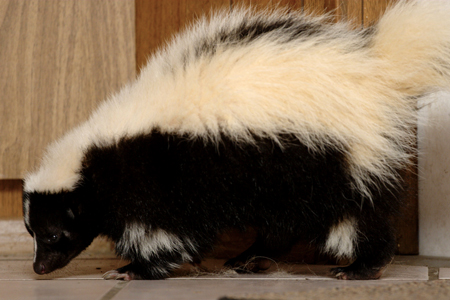
Skunks have to have one of the best natural defence mechanisms in the natural kingdom. One whiff of that rotten stench, and everyone stays away. The smell will carry for miles, and it will attach to multiple items in its path as it travels. There will be no mistaking the fact that a skunk has visited your neighborhood. The stench is a dead giveaway. You will be tempted to hold your nose once you catch a whiff of this particularly pungent aroma. It’s difficult to describe, but once you have smelled it, you will certainly never forget it.
One way that skunk scent can make its way onto your stuff is if a beloved pet gets sprayed and makes his or her way home. If you don’t catch Fluffy or Fido before they get the chance to rub up or lie on your furniture, you will have Eau de Skunk all over it. Once the smell has been transferred to the fabric, it will be challenging to get it out. Your outdoor furniture can also be a target for skunk stank. Since this is an oil based type of reek, putting water on it isn’t going to be an effective way to get the smell out. We have some effective solutions to help you deal with this problem. Keep reading for helpful suggestions to get rid of the skunk issue and help you be able to take a deep breath near the affected furniture again.

How to Get Skunk Smell Out of Furniture
1 Arm & Hammer Carpet Powder Smell Out
Grab some heavy duty Arm & Hammer carpet powder. Sprinkle at least half a box of the product on the stinky furniture. The baking powder in the product will pull the skunk oil out of the furniture and get rid of the stank. Vacuum it up. You will need to repeat the process several times a week until all of the stink is gone.
2 Bleach it Out
If your outdoor furniture has gotten sprayed by Pepe Le Pew, wash it down with bleach. Mix one part bleach with nine parts water. This concentration will work well on most patio furniture. Choose colour-safe bleach to avoid damaging colored furniture and always try a test patch in an unobtrusive spot before you clean the entire piece.
3 Use Dry Cleaning Solution
You can find dry cleaning solution in the laundry aisle at Wal-Mart or in a hardware store. Apply the solvent to the furniture with a clean, white cloth. Make sure the room you are working in is well ventilated. Blot any excess liquid from the furniture with a second cloth. Allow the furniture to air dry.
4 Peroxide-Baking Soda-Dish Soap Recipe
Cook up your own home-made solution to the problem of skunk smell with a few items you may already have around the house. Pour a quart of hydrogen peroxide (3 percent grade) into a bucket. Add one Tablespoon of baking soda and a squirt of non-toxic dish detergent. Scrub down your furniture with a clean rag or old wash cloth. Rinse with a second cloth that has been wrung out in warm water.
5 Spray Down the Fabric
As soon as you notice, the skunk stink, grab some fabric spray and give your furniture a good misting. Even if it hasn’t come directly into contact with the skunk, it is possible for the smell to travel throughout your home and attach to the furniture, carpet, and walls. Be proactive and grab Febreze or a similar product and freshen up your furniture right away.
[contact]
Photo credit: Robert Bieber
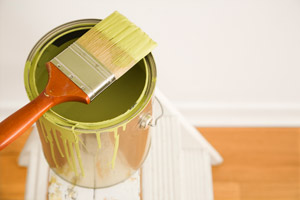
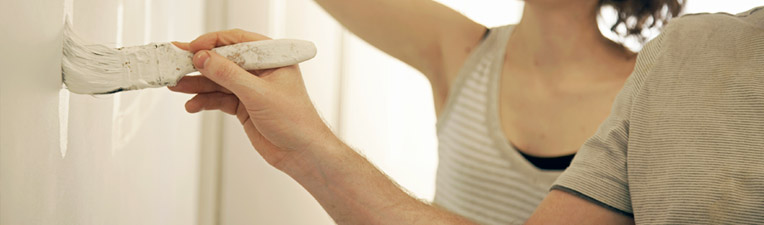
 This method may sound strange, but it has successfully been used for generations to remove the effects of paint odor. Begin by cutting a full onion into four parts and placing each piece within a bowl. Next, fill these bowls with a cup of water and place the bowls around the piece of furniture that smells of paint. Allow the bowls to sit for 2-3 days surrounding the object while it works to absorb all unwanted odors. Once this time has passed, perform a smell test to ensure that the smell has passed and then remove the bowls.
 This household acid works well at deodorizing a number of challenging odors within the home. Similarly, you will want to prepare four bowls and pour a half cup of white vinegar within each of them. Surround the piece of furniture that has been affected by paint odor making sure to place the bowl within key locations where they can best surround the item. Allow the bowls to sit for 2-3 days before return to do a sniff test of the furniture in question and remove the bowls.
 Once of the most effective ways to eliminate the paint odor is to move the piece of furniture outside within the sun. The ultra violet rays will go to work in neutralizing the stench of the paint odor, while the fresh air and open space will gently lift any residual chemical scent. You will need to place the piece of furniture within a location of the yard where it will be sure to receive a minimum of 8 hours of direct sunlight. If any odor remains after the first day, you can try putting the furniture outside within the sun for a second or third day until no paint scent remains within it.
 Similar to onions, oranges do very well at absorbing paint odors within furniture. Unpeel two oranges and take apart all of the wedges within each of them. Place the detached remains of each within two separate bowls and then place these bowls on either side of the piece of furniture. Allow the orange filled bowls to sit for 48 hours before returning to the piece of furniture to smell it and remove the bowls.
 If the furniture is a desk or chest of drawers, this solution can be very effective at removing difficult odors from enclosed spaces. Begin by filling a small saucer with vanilla extract and crumpling up several balls of newspaper. Take each ball and lightly dip the edged with the solution before proceeding to place these balls within the draws and enclosed spaces. After closing the drawers and spaces, allow the newspaper wads to sit for 24-48 before returning to remove them from the freshened space. The newspaper works to absorb the paint odor while the vanilla will have masked any remaining smell with its own subtle scent.
  If nothing has been worked, you can try applying another coat of clear sealing paint over the piece of furniture that is emitting the paint smell. This will help to lock any smell from the original paint within and prevent it from smelling up the room. Because this option can be rather time consuming, it is recommended that you only use this as a last resort.
 If you anticipate that a paint will smell, you can take one small but effective step to ensure that it does not smell. Simply measure one teaspoon of vanilla extract for each gallon of paint and thoroughly mix the ingredient in before use. The vanilla extract will work to neutralize the paint related odor and ensure that it does not contain an odor.
 This enzyme-based solution is great at literally eating through some of the smelly organics that cover the exterior of furniture. After acquiring the solution, dunk a small hand towel within the solution and proceed to rub down the affected areas of the furniture. When dealing with upholstery and underlying padding, you may need to administer and extra amount of enzyme solution within the padding to ensure that deep-down odors are reached and removed. Enzyme solution can be allowed to naturally evaporate from surfaces or can be blot dried from padding after it has been allowed to set for 24-48 hours. As a note of precaution, never use this solution on leather, silk or suede covered furniture.
 In a similar fashion to white vinegar, the citric acid within lemon juice works to cut through odorous residues upon contact. Mix a solution of one part lemon juice with five parts water inside a generic spray bottle. Proceed to mist down the furniture with a heavy shot of lemon juice to ensure that no area is left untouched. Once completed, open the windows within the room to allow for a quicker evaporation process.
 This household powder contains marvelous absorption capabilities. If the area affected by the unwelcome odor is on the surface area, baking soda can be sprinkled over these areas to allow the for the powder to slowly pull the stench from the furniture’s surface. Alternatively, baking soda can be inserted within the couch or sofa cushions to maintain freshness and prevent the build-up of odor. Measure 1/4 cup of baking soda and add it on both side of the cushion before zipping the cushion closed.
 The active ingredient within the formula is better known for mixing drinks than deodorizing furniture. However, the alcohol within this solution may surprise many party-goers that the alcohol within the solution can be used as a deodorizer to neutralize smell on contact and dry away odorlessly. Pour a small portion of this solution within a generic spray bottle, and proceed to spray down the affected area of the furniture with a heavy coat of the household spirit.
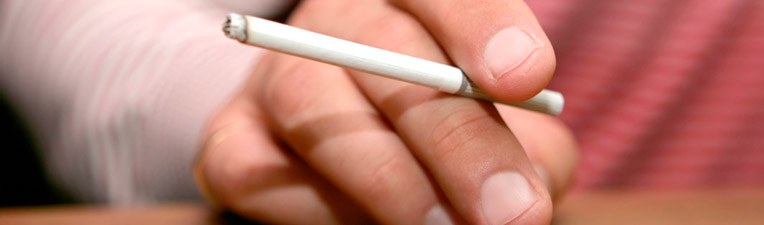
 The citric acid within lemon juice is the most effective solution against cigarette odor. Create a solution of one part lemon juice with 4 parts water within a bowl. Proceed to dip a small clean hand towel within the solutions and rubbing the formula into the affected areas of the furniture. In furniture containing upholstery, the solution can be poured within a generic spray bottle and sprayed on. As a final step, simply allow 30-45 minutes for the citric acid to do it’s job while it naturally evaporates away.
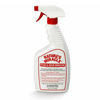 Using an enzyme spray is both safe and powerful in combating smoke related odors within furniture. This solution is available in pet stores and most large supermarkets. It works by harnessing the active enzymes within the solution to actually eat through the odorous smoke residues within the furniture. After spraying down the cigarette affected piece of furniture, make sure to follow up by wiping down the flat areas with a clean paper towel to spread out the formula and ensure that no surface area is left untouched.
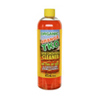 When lemon or lemon juice is not available, citric cleaning product will work nearly as well. Orange TKO is one that can be sprayed onto the cigarette affected piece of furniture to remove all signs of cigarette odors. As a precaution, always make sure that your specific product spray will do no damage to the material of your specific piece of furniture. In short, always make sure that your read the bottle before use.
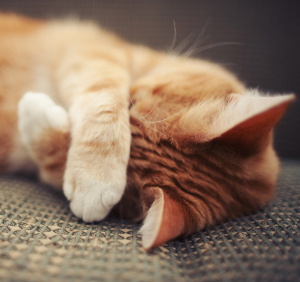
 If you have caught your kitten within the act on one of the cushions from your couch or sofa, gentility remove the cushion to place it outside as soon as possible. Cat urine has a way of making it’s way within the cracks of the couch and underlying furniture frames if it has enough time to soak in. By immediately removing the cushion, you will be preventing this from happening and diverting a larger problem.
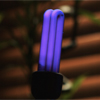 If the smell of cat urine is within a piece of your furniture, it is likely that it has taken a direct hit. In such cases, you can use a blacklight to search out the spot. Close the blinds within the room, and run a black light over the affected piece of furniture. Immediately, you should be able to see a subtile grow emanating from that areas where your cat has urinated on the furniture.
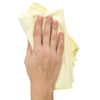 On the areas that remain moistened from your cat’s urine spray it is important to press dry the spot to withdraw as much liquid as possible. Using a clean and dry hand towel, press down on these locations until all of the urine fluids have been lifted from the affected locations of the furniture.
 Once much of the urine has been lifted from the location, you can proceed to pour small amounts of water onto the affected portions of the furniture to dilute the remaining residues within. After pouring water onto the upholstery and underlying furniture padding, you can proceed to blot dry the location to pull out additional urine resides from the cushioning. For best results, pour water and blot dry a second time to lift additional urine fluids out of the furniture.
 Cats are creatures of comfort and often will opt to relieve their bladders in places that are close and comfortable. If the cat litter box is located on the other end of the house, you may wish to consider placing another litter box on the other corner of the household. Doing will ensure that you cat is always within close proximity to the litter box and will have no excuse not to use it. As an additional precaution, avoid placing that the box within a location that can accidentally be blocked off by a door or obstruction. If cats cannot get to their litter box, you can be sure that they will relieve themselves elsewhere.
 Rewards always work better than punishments. If your cat successfully uses his litter box, be sure to provide rewards from time to time to increase it’s positive association with the act. This is especially important after the cat has misfired on you furniture as this will incentives this practice and will ensure that your cat does not get within the habit of peeing anywhere that he pleases within the house. If this problem persists, it may make sense to take you cat to the
 Once cushions have been urinated on, you are in a race against time before the urine seep through within the cracks of the furniture. Once this happens, it will be increasingly difficult to remove the stench. If the cushion was not urinated on, move forward with the next step.
 Create a mixture of one part bleach to six parts water within a bowl or bucket. Take a cloth and dunk it within this mixture and begin scrubbing down the the piece of furniture. Bleach will work wonders in eating away at any mold and leave a sterilized surface behind.
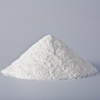 Baking soda is known for it’s ability to eliminate a wide range of household odors. A solution of one part baking soda and ten parts water will absorb nearly all of the musty odors. Mix thoroughly, and scrub down entire surface of wood furniture. Let this solution air dry off of the surface, and enjoy freshened furniture.
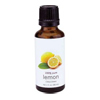 This substance works miracles at wiping out smoke and mold related odors within wood. Simply apply this oil to a cloth, and give the entire wooden surface of furniture a wipe down. Doing this after cleaning with bleach is usually enough to remove any lingering odors.
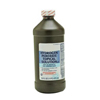 Similar to baking soda, this household compound can help you in removing musty aromas. Create mixture of hydrogen peroxide and water in equal parts, and give the entire furniture a wipe down. Let odors air dry off the furniture and receive the added benefit of the darkened stains within the wood being lifted out.
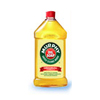 This product does a fantastic job at cleaning and eliminating unwanted aromas within wood. Applying this product to a cloth, and begin wiping down the entire piece of furniture. Let it air dry, and enjoy the freshened aroma that the product has left behind.
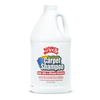 Unique enzymes within this product eat away at mold and leave freshness behind. Pour some of this product into a cloth and work the solution into the entire piece of wooden furniture. Allow product set into the grain of the wood and air dry away.