
The smell of grease is one that is particularly difficult to get out of clothing. Whether you or someone you care for is working in the oil and gas industry, in a garage, or simply enjoys working on anything with wheels, this stank just refuses to go away once it gets into clothing. Even when clothes are washed regularly, they can still smell slick and dirty. This guide focuses on How to Get Grease Smell Out of Clothes.
Part of the problem with getting greasy smells out of clothes is that the stank penetrates into the fibers of the fabric. Once it takes up residence there, it’s hard to get it to move on. You’ll have to very aggressive about rooting out the source of this offensive odor. The good news is that you can conquer it and have clean-smelling clothes. Your clothes will be fresh and clean once you try the solutions our exhaustive research has found for you.
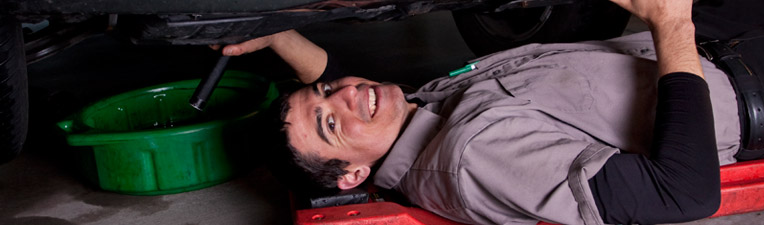
How to Get Grease Smell Out of Clothes
1 Oxyclean the Stank Out
Add a scoop of Oxyclean to your laundry detergent to give it a boost and lift the distinctive stank of grease out of your clothing. This product will work with liquid or powder soap. If you decide to try this solution, you will need to add the product to your wash water and wait for it to dissolve before you place the clothes in the wash water. If you are washing your clothes in cold water to save money, dissolve the Oxyclean in a cup of warm water before adding it to your wash.
2 Harness the Power of 20 Mule Team Borax
Borax is a natural product and it can also be used to give your laundry detergent a boost. The chemical name for this product is sodium tetraborate. You can find the 20 Mule Team brand product in the laundry aisle at the grocery store. Add 1/2 cup to a load of laundry to lift out the smell of grease and other assorted yecchiness in your clothing.
3 Lestoil the Odors Away
Lestoil is a pine-scented all-purpose cleaner. Look for it in a hardware store, at Home Depot or online. To use it on greasy clothing, rub a small amount onto the stanky item. Take your fingernails and work the liquid into the fabric. Toss into the washing machine and run it through a regular wash cycle.
4 Brush on Some Eucalyptus Oil
Make a paste out of eucalyptus oil and liquid dishwashing detergent. This product is available at health food stores and online. Rub it onto the clothing. You can use an old toothbrush to get it into the fabric and make sure it penetrates the fibers. Leave it in place for about 10 minutes. Wash the clothes as usual.
5 Go Green With Simple Green Degreaser
Simple Green is a biodegradable cleaner. It’s available at Sam’s Club and hardware stores. Spray a small amount of the product onto the clothing and brush in with an old toothbrush and some water. The best way to deal with greasy, smelly clothes is to spray the brush with the the Simple Green and add the water to it. Wash the clothes in cold water and hang to dry. Hot water and using a dryer will cause the grease and the accompanying smell to bake into the fabric. Repeat the process if necessary if you still notice an aroma after the first treatment.
6 Go for GOJO Hand Cleaner
Mechanics know that GOJO hand cleaner is an effective product for removing grease at the end of the working day. It can also be used to get the grease smell out of clothing. Treat the clothes with GOJO before washing. You will need to wash these items separately. Run the load through the washer a second time and use baking soda instead of laundry soap in the second load to cut out the GOJO smell.
[contact]

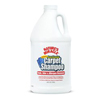
 Before work at removing the stale smell from your clothing, you will want to work at removing the any visible signs of mold. Using shampoo, you will want to apply the cleaner to the clothing and intensely scrub the areas in where that mold is visible. This method will have to loosen and lift away any signs of mold, and ensure that you are only dealing with an issue of odor.
 This household acid works wonders at cutting though mold spore to kill any odor that my be a byproduct of the infestation. Begin by finding a large bucket and filling it with one part white vinegar to five parts water. Proceed to dunk the mold affected clothing within the mixture and allow it to soak for 3-4 hours. Once completed, the clothing can be removed and placed through a normal detergent wash. for an added deodorizing boost, a cup of baking soda and extra cup of white vinegar can be added to the wash cycle to ensure that the odor is completely removed.
 This product solution works to literally eat through the mold spore within the clothing fiber. Mix a solution of enzymes and water in equal parts within a large bucket and proceed to submerge clothing within the mixture. Allow the clothing to sit for 2-3 hours before removing the clothing to place through a normal detergent clothing wash. Similarly, a cup of white vinegar or a half cup of baking soda can be added to the wash cycle to give it a beneficial deodorizing boost.
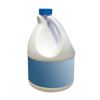 As a final deodorizing compound, bleach can also work to kill mold spore and neutralize difficult odors within the fabric fiber. Mix a solution of one part bleach with eight parts water within a tub and proceed to dunk the mold affected clothing within the mixture. Allow the clothing to sit for 1-2 hours before removing the clothing to place through a normal detergent wash. To add an additional boost, an extra cup of bleach can be added to your detergent wash. Finally, be sure to only use this on all white clothing to prevent unwanted whitening of clothing.
 As a finalizing solution, be sure that you opt to hang the clothing outside within direct sun rather than drying the clothing within a clothes dryer. The ultraviolet rays of the sun will work to kill any remaining mold spore and ensure that the clothing is left smelling fresh. For best results, hang clothing within a location of the yard where it is sure to receive a minimum of 8 hours of direct sunlight.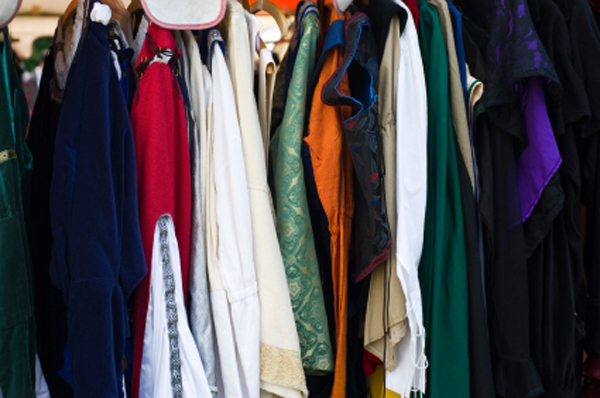

 One of the most important things that you can consider before taking action to freshen your mothball affected clothing is that the smell can easily transfer to anything that it comes into contact with. Often, the clothing affected by mothballs are old and of little importance. for this reason, you do not want to wash this clothing with new and expensive clothing in which the smell can easily rub off on.
 While the mothball smell is still at its height, you will want to make sure not to place the clothes within your washer or dryer. The smell of many mothball affected clothing is so intense and sticky that it can be transfer to these machines and present a entirely new problem centered around getting the smell out of a clothing appliance. In addition to smelly appliances, you will also need to worry about then spreading the odor to any clothing that should subsequentially pass through the machines.
 Baking soda has a power absorbent ability to remove odors from smelly clothing and can add a boost to any washing machine cycle. Measure a cup of baking soda to add within the wash cycle along with the affected clothing and normal amount of detergent. Upon completion, hang the clothing outside within the sun one final time to remove any remaining smells from the clothing fiber.
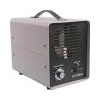 If you are in need of deodorizing a huge amount of clothing that has been affected by mothballs, you want want to consider buying or renting a ozone machine. These devices start have the starting price of $200.00 and can go as high as $1000.00, so you will want to make sure that it is really work the investment. Though they can be dangerous and down right deadly if improperly used, they remain effective at eliminating odors within short periods of time. The machine effectively works by removing the air surrounding the clothing fiber and neutralizing the odorous residues within the fabric.
 After having soaked clothing with one of the below solutions, always make sure to run your detergent wash on the warmest setting that the affected clothing will allow. Using warm water within the detergent wash will have the effect of opening up the clothing fiber to allow increased reach of the clothing detergent.
 Often the gasoline residues within one affected piece of clothing can easily rub off on another item within a washing cycle. For this reason, it is important that all items smelling of gasoline be washed and deodorized apart from you other clothing. If clothing regularly becomes affected by gasoline, it may be a good idea to create a separate clothing basket to place this type of clothing.
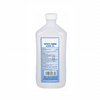 As mention above, the alcohol within this solution has the effect of breaking apart gasoline carbon bond to help in deodorizing clothing. Find a large bucket and fill it with one part rubbing alcohol to 15 parts cold water. Place the clothing within this mixture making sure to stir the contents until the deodorizing mixture makes it’s way within all of the stitching. Allow for the clothing to sit within the mixture for 30 minutes, ensuring that it properly soaks in this deodorizing compound before placing within a detergent wash.
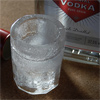 Working on similar principles as rubbing alcohol, soaking gasoline affected clothing within a mixture of vodka will work to break apart the carbon bonds. Unlike rubbing alcohol, vodka is a bit more expensive and carries a lesser percentage of alcohol. This means that it will cost much more to use this solution than opting for rubbing alcohol. Nevertheless, if you find yourself within a crunch, mixing one part vodka with five parts cold water will work to effectively break down the gasoline residues found within your clothing. After letting the clothing soak within this mixture for an hour, proceed to place the clothing within a normal detergent wash.
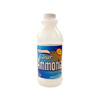 Although this solution maintains zero alcohol content, it remains very effective at breaking down gasoline carbon bonds and freshening clothing. Mix one part ammonia with 15 parts cold water and place the gasoline affected clothing within the mixture. After allow the clothing to soak for 15-30 minutes, remove the contents from the solution and place them within a normal detergent wash cycle.

 The citric acid within lemon juice can work wonders in eliminating unwanted odors. Mix one part lemon juice with eight parts warm water within a spray bottle. Mist down the entire outside of area of the affected clothing until it is sufficiently moist. Hang the clothing outside within direct sunlight and provide 3-4 hours for the formula to dry and for the campfire odor to be lifted off.
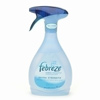 On short notice, a variety of deodorizing product sprays can be used to lessen the built up smell of campfire odors. Simply spray down the affected clothing and provide 30-90 minutes for the moisture to dry off and leave the clothing smelling fresh. Packing a bottle of Febreze with your camping supplies can go a long ways in covering and eliminating campfire odors.
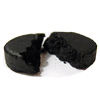 If you have the time, using activated charcoal to deodorize your camp clothing can be an effective way to eliminate campfire odor without using any moisture. Place activated charcoal briquettes within an old pair of nylon leggings and place in an enclosed box with the campfire affected clothing. Allow for the content of the enclosed box to sit for 5-7 days before returning to remove the freshened clothing.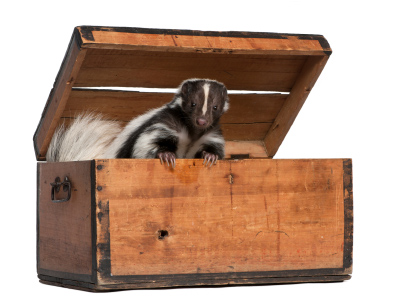
 The sooner that you take action to wash and deodorize your clothing the better chance you will have to remove the residual effects of skunk spray. As a general rule of thumb, try to place the clothing within a deodorizing wash within 1-2 hours from the initial contact.
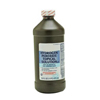 This household compound works equally well at breaking down skunk spray oil within clothing, however it is only recommended for white clothing due to bleaching properties within the substance. Mix one part hydrogen peroxide with six part warm water and dunk the affected clothing within the formula. After the clothing has soaked for 1-2 hours, remove and place within a washing cycle. Similarly, you can place a half cup of baking soda within the beginning of wash cycle to provide additional freshness.
 The acids within tomato juice work well in breaking down the oils within skunk spray. However, this solution can have harmful staining effects on all colors of clothing except for red and black. If the affected clothing is of a black or red color, consider soaking it within a bowl of hot water and tomato juice in equal parts and a teaspoon of dish detergent.
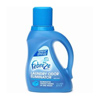 This is a relatively new detergent developed by Frebreze to directly combat odors within clothing and linens. In comparison to other detergents, many have found this product to be much more effective at tacklign difficult odors to return freshness within the rinse cycle. If the above solutions have not been effective at removing skunk spray odor from your clothing, you may want to give this product a go.
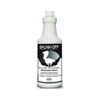 There are several spray products that work well to mask and eliminate unpleasant odors. Using Febreze or a stronger spray related product like “Skunk Off” can be helpful to quickly freshen clothing. This comes in great use for lightly affected clothing that has caught the residual skunk odor from a recently sprayed dog coming into the house. Simply spray down that clothing and provide 30-45b minute for the clothing fiber to dry before use.
 When the above solutions are not enough to remove the residual effects of skunk spray, consider getting professional help from your dry cleaners. Though this is a pricey solution, many professional dry cleaners will only make you pay if they can get the smell out of the clothing. Additionally, this solution works well with clothing items like leather jackets that cannot be placed through a wash cycle.
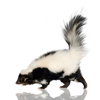 If you happen to spot a skunk, be sure to keep a healthy distance of at least 30 feet (10 yards) and do not do anything to agitate them. Skunks can spray with accuracy at 10 feet and can still mist your clothing at a distance of 15 feet. As long as they do not feel threatened they will not resort to using this line of defense.
 Be sure to change into old clothing before approaching your dog to wash and deodorize it’s fur. Dogs are often covered head to tail in skunk spray, and you should anticipate some of this rubbing off on your clothing. Although some of your clothing may still get smelly during this process, you can rest easy that it is not an outfit that you care about.

 Often, washing clothing just one time within a wash cycle will not be enough to remove the residue scent of the perfume. If you find this to be the case, try washing the garment an additional time, as this will often be enough to diffuse the odor to a freshened state.
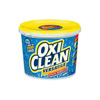 This solution is nearly as effective on difficult perfume scents as it is on removing stains. Fill a large bowl with water and add in one scoop of Oxiclean. Soak clothing within this product solution for two hours before removing the clothing to place within a a normal warm detergent wash. Alternatively, a scoop of this product can also add a deodorizing boost by adding it within a detergent wash.
 Though this method may leave clothing feeling stiff to the touch, it is by far the most effective deodorizing method for drying clothes. The open space, fresh air and direct ultraviolet rays all work to neutralize scents and lift perfume aromas of the clothing. To perform this, simply hang the clothing on a clothes line and remove them once they have dried.
 As an alternative to hang drying the clothing, using scented fabric softeners within the dryer can help to deodorize the outfits. After placing the clothes within the dryer, add 2-4 fabric softener sheets to give the clothing one final boost from the lingering perfume scent.
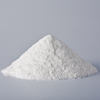 This is a wonderful household ingredient for absorbing unwanted odors within clothing. Measure half a cup of baking soda and add it within a detergent wash. Adding baking soda usually gives a load the needed boost to remove urine odor within one wash cycle. As an extra benefit, baking soda will make the whites whiter.
 Hanging your clothes outside on a clothesline will do more in removing odors than throwing them within the dryer. A fresh breeze and open space will work to carry off much of the unwanted odors.

 Once an odor develops within your clothing, it is important for you to wash them as soon as possible. If the clothes are not cleaned shortly after an odor develops, they can worsen and become more difficult to remove.
 When clothes are left to sit within the washing machine too long they have the potential to develop a pervasive mildew odor.
 The citric acid in lemon juice works great at cutting through fabric surface odors on clothing that cannot be washed. Squeeze 3 teaspoons of lemon juice within a cup of water and pour formula within a spray bottle. Mist down the entire article of clothing and hang outside to air dry.