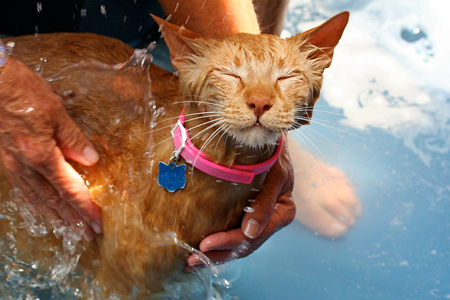
Although cats get skunked less than dogs, the resulting stench can be just as unpleasant. A skunk spray of a cat is often much more challenging, as they will put up a greater fight during a deodorizing bath.
Bathing your cat may have challenges, but there remain several household solutions to eliminate the odorous skunk oil within the its fur. By following the below steps and solutions, you can be sure that your cat will be free of skunk stench and smelling fresh.
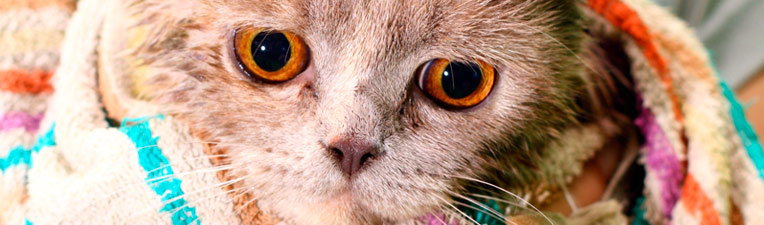
Skunk Smell Removal Solutions for Cats
1 Prepare Yourself and Treat Quickly
 Once your cat gets sprayed, you will need to first prepare yourself for it’s treatment. The smelly oil residues sprayed on your cat can easily rub off on your hands and clothes. With this in mind, you should immediately change into clothing that you do no care for and place on rubber gloves to protect your hands from the treatment.
2 Quarantine in Bath or Shower
 Once you have prepared yourself, you will need to proceed to quarantine your sprayed kitty within the bathroom. This will help to minimize the damage that a freshly sprayed cat can have when rubbing up against various areas of the home. If you can manage to contain your cat within the bath or shower this will work even better in minimizing the potential odorous damage that this can create.
3 Prepare Bath or Shower
 In order to prepare the cat for the bath, you will need to plug the drain and create a pool of water that is a minimum of 3-4 inches deep. Ideally, you will want the water reach close to your kitten’s chest. During this time, do your best to calm your cat to ensure that it does not panic within the water.
4 Traditional Deskunking Solution
 A household de-skunking solution can be made from simple ingredients that are found within most households. It is highly effective at breaking down and liquifying the skunk oil and working to absorb and cut through the odor. To create, you will need to produce a solution of 3% hydrogen peroxide, 1/4 cup of baking soda and one teaspoon of dish detergent. Dunk an old rags within the foamy substance and proceed to scrub down the cat’s fur and scrub away any skunk residues. Once the household solution has been applied to the entire cat, you can proceed to wash the solution away from the cat’s fur with the available water at the base of the tub. Take precaution to avoid getting this solution within the eyes of your cats.
5 Tomato Juice
 Tomato juice can have a powerful effect in cutting through the skunk spray oils and neutralizing the odors. Fill a bowl with tomatoes juice and dunk a old hand towel within the substance. Proceed to rub down the entire cat from head to toe with the solution to ensure that no area is left untouched. Make sure that you rub the juice within the fur for a few minutes, before washing the tomato juice from the cat’s fur. Similarly, you will want to be careful to not get any tomato juice within cat’s eyes while applying to the cat’s face.
6 Cat Shampoo
 As a final solution, the use of cat shampoo can have a powerful effect in cutting through the skunky stench within your cat. Use vet approved cat shampoo within a bowl and proceed to dunk an old small hand towel within the mixture. Next, begin rubbing down the cat with the solution to ensure that the entire feline has been scrubbed down. Upon completion, wash away the solution with the bath water below. As a final precaution, take care to avoid getting the solution within the cat’s eyes.
[contact]
Photo credit: rainy city
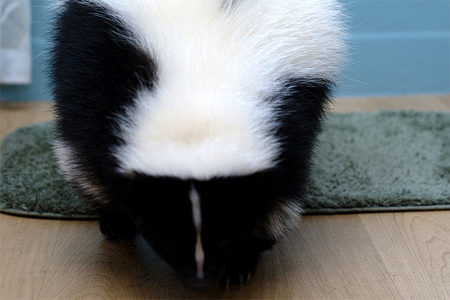
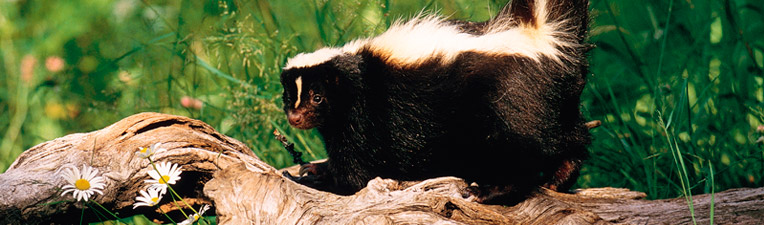
 As a preliminary action, you will want to move any affected items or pets that may have come into contact with a direct spray of a skunk outside. It is important that you treat these as if they are hazardous material, because the skunky scent can spread into any surface that it contacts. Once these affected items are moved outside you can narrow your focus to deodorizing the carpeting.
 After skunk oil has touched the carpeting, you will be in a race against time to prevent the odorous skunk oils from permanently setting into the fiber. Take swift action to treat the carpeting to ensure that it does not settle in for more than 1-2 hours before drowning the fiber within a deodorizing solution.
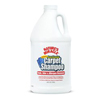 The use of an enzyme carpet cleaner can be especially effective for difficult skunk oil odors within the carpeting. Once purchased, the enzyme cleaner can be poured over the affected carpeting until the fiber and underlying padding has become drenched. Allow the enzyme cleaner to slowly eat through odorous organics during the net 24-48 hours. Once this time has passed, the deodorizing compound can be blot dried from the carpeting allowing the remaining moisture to air dry away.
 As an added freshening effect, the use of baking soda powder can work to absorb much of the difficult odors. After applying one of the above compounds, proceed to sprinkle heavy amounts of baking soda over the carpet fiber. Allow the baking soda to sit for 24-48 hours as it works to absorb any residual odors from the carpeting. Once completed, vacuum the powder from the freshened carpeting.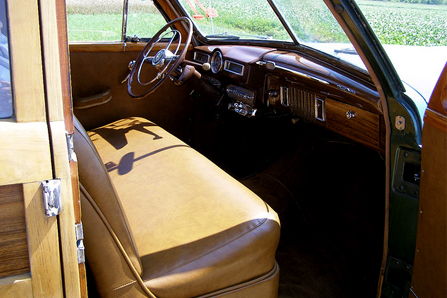
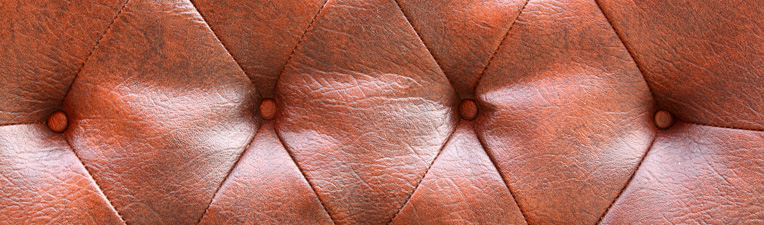
 A solution of white vinegar and dish detergent can do wonders in removing smelly residues from pleather upholstery. The vinegar and soap combination helps to lift the residues from the surface and strip them away. Mix a solution of one part white vinegar with eight parts water and a teaspoon of dish detergent added in. Proceed to wipe down the entire affected surface of the pleather upholstery and finish by allowing the moisture to naturally evaporate away.
 The citric acid within lemon juice work well in deodorizing pleather and has an especially powerful effect on smoke related odors. Mix a solution of one part lemon juice with six parts lemon juice within a spray bottle and proceed to mist down the affected areas of the pleather upholstery. Once completed, allow the moisture to sit for a minimum of 5 minutes before returning wipe the moisture away with a hand towel.
 The high alcohol volume within this substance is highly effective at neutralizing odors within pleather on contact. Fill a generic spray bottle with a small amount of vodka and proceed to give the affected areas of the pleather upholstery a heavy dose of the alcoholic spirit. Once accomplished, take a light wight hand towel and proceed to work the vodka into the pleather fiber. After this has been perform, the vodka will quickly evaporate way leaving freshness behind.
 When dealing with an extremely challenging odor in pleather, you may need to use an enzyme cleaning solution to eat through the foul residues. To apply, simply spray down the entire affected surface of the pleather with a heavy spray of enzyme cleaner. Once preform, you will need to use a light hand towel to work the enzyme deodorizer into the microscopic cracks and crevasses of the pleather. After scrubbing, finish by allowing the enzyme moisture to evaporate away.


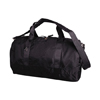 As soon as you get home, you will need to remove all of your football pads from you bag as soon as possible. This will help to ensure that the sweat moisture within the bag does not become a breeding ground for odorous bacteria. Proceed to separate the shoulder pads from the jersey and proceed to make a pile for items that can be treated within the washing machine.
 A different cleaning and deodorizing process will be required for the items like shoulder pads that are unable to be treated within the washing machine. Proceed to hang these items outside within direct sunlight and spray them down with a heavy coat of athletic gear disinfectant. The spray will help to kill all the bacteria and other potentially harmful biological matter within your pads. Meanwhile, the direct UV rays, fresh air and open space will help to dry the pads and diffuse much of the odors. After 12-24 hours the pads can be brought inside and hung in a dry location.
 The washable items like the jersey and pants should be treated quickly. The faster these items can be treated the better chance that they can be deodorized with a normal washing machine cycle. To give your detergent wash an added boost, you can place a half cup of baking soda or a full cup of white vinegar within the mix.
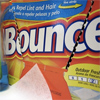 Once your clothes have been washed, make sure that you either hang them outside in the sun on a clothes line, or use a fabric softener within the dry. Hanging the clothes within the sun provides the best results, but the use of dryer can be performed when drying time does not permit.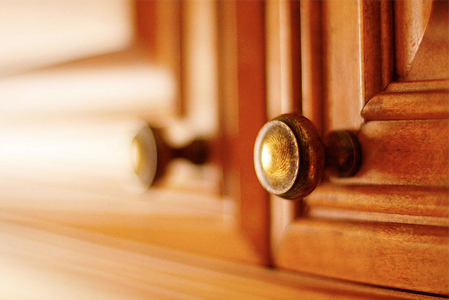
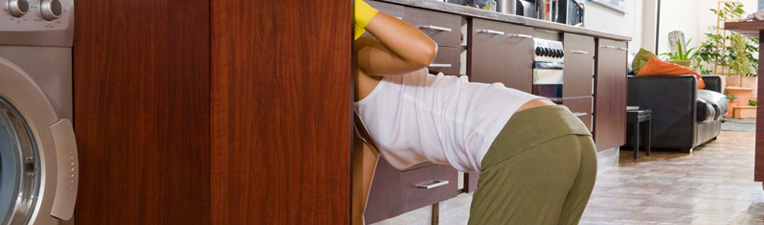
 As an alternative application of vinegar, you can wipe the cupboard’s interior for especial difficult odors. Using an old hand towel, wipe down the cupboard’s interior and focus the majority of your attention on the location at the source of the stench. Finish by leaving the door open and allowing the moisture to naturally evaporate away.
 The use of lemon juice has a similar effect as white vinegar though it’s use of a natural acid. Mix a solution of one part lemon juice with six parts water within a generic spray bottle. Proceed to spray the entire cupboard, making certain to close the doors once all interior surface areas have been lightly misted. After an hour has passed, return the wipe down the moisture from the fresh smelling cupboard.
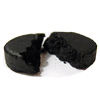 To help assure freshness within the cupboard’s space, the use of activated charcoal briquette can be used. For best results, place a few briquettes within the back corners of each shelf. As light odors develop, the activated charcoal will work to absorb the stink before it gets out of hand.

 Fresh air and open space also work to diffuse and lift away odors. Placing the item outdoors for several days will naturally lift away much of the odors within the vast openness. Additionally, the fresh breeze coming into contact with smelly fabric has been known to carry away residual smells found within the fiber.
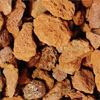 similar to activated charcoal, lava rocks can work well at absorbing difficult odors. Place enough lava rocks with within storage box to line the flooring. Next, place the smelly item inside the box and proceed to seal it. Allow the item to deodorize for the next 5-7 days before removing the freshened item.
 This solution is fantastic for difficult home and automotive odors that are confined within these spaces. As a general principle, you will need to open all windows and doors within close proximity to a source of the odor. This will allow fresh air to pass freely through the space and carry the odor away.

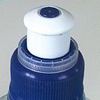 You make your own household nose cleaner from a range of household ingredients. You will need to track down a sport water bottle, some baking soda and salt. The salt will work to allow the fluid to go into your body without it immediately rejecting it, while the baking soda provides a deodorizing effect. You will need to make sure your sort water bottle contains a suction nipple for this solution to provide desired results. See example in adjacent photo ->
 To apply, you will need to open the valve on the water bottle’s nipple and press the opening against one of your nostrils while creating an airtight connection. Tilt head silty and begin to squeeze the bottle and allow the deodorizing substance to flow through your nasal passage way. You will then need to proceed to doing this with the other nostril to completely wipe out the unwelcome aroma within your nose.
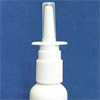 After applying baking soda, proceed to use two bursts of your nasal spray within each nostril. This will help to dilute the baking soda and allow the deodorizing powder to work it’s magic deep within your nasal passage way. Finish by blowing nose and wiping away any baking soda remaining on nostrils.

 As a secondary action, you will want to throw out the chard remains of your burnt popcorn within the outdoor trash. These remains continue to emit odorous smoke long after they have been cooked, so take action as soon as possible to remove them from the home.
 As a final solution, a mixture of cinnamon and vanilla extract boiling on the stove can have a powerful impact in covering any burnt odors. Mix a solution of four cups of water and three teaspoons of cinnamon powder and vanilla extract within a pot. Heat the mixture within the pot and remain it at a boil for a minimum of 30 minutes. The resulting aroma-based steam will help in covering the unwanted stench of burnt popcorn odor in the kitchen and home.

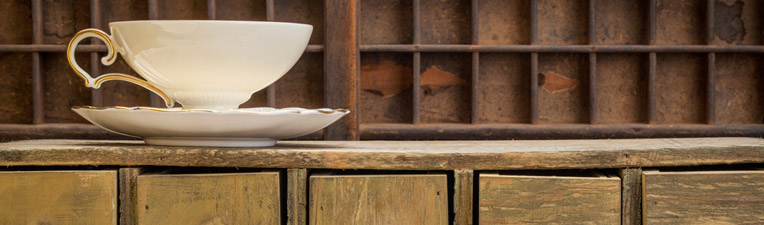
 As a final absorbent solution, coffee beans can offer an effective solution for removing odors and adding a subtle aroma of fresh morning grounds. For application, simply measure a half cup of coffee beans per drawer, making sure that the drawer is shuffled to properly distribute them along the drawers bottom. Allow the coffee beans to sit for 3-4 days before removing them from the freshen drawer and placing the wooden enclosed space back within use.